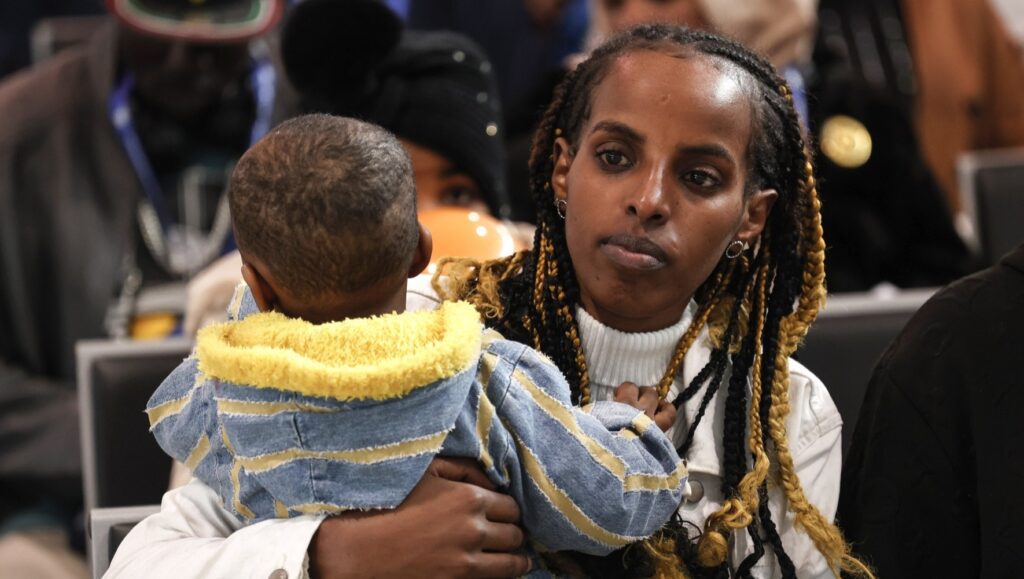
Since the outbreak of the Syrian civil war forced millions of people to flee to Europe, many European countries have been politically roiled by debates about refugees, asylum seekers, and immigrants. Several political parties have opportunistically scapegoated displaced people to win at the polls, while the rights for people fleeing violence and persecution have been curtailed.
Despite the fearmongering political talking points, Europe only hosts 20 million displaced people, compared to the 117 million people in need of safety worldwide. The majority of displaced people are either internally displaced or reside in neighboring middle- and low-income countries, not in Europe.
In fact, the number of refugees and asylum seekers in the EU has been trending down over the past four years since a peak in 2022, when millions of Ukrainians fled to the rest of Europe at the outbreak of the war with Russia. Irregular border crossings are also down, with only 239,000 cases in 2024.
With the EU Pact on Migration and Asylum going into effect on June 12, HIAS is concerned about the right to asylum for people seeking safety in Europe. As xenophobia rises and refugee rights come under attack, HIAS Europe calls on the EU to uphold asylum policies rooted in welcome and protection.
Read on to learn more about the current landscape for refugees and asylum seekers in the EU.
Donate today
Now more than ever, your support is needed to help refugees and displaced people rebuild their lives.
Where do refugees and asylum seekers in Europe come from?
Following Russia’s full-scale invasion of Ukraine in February 2022, millions of Ukrainians sought safety in Europe. Some have since returned to Ukraine but 5.2 million Ukrainian refugees remained in Europe by the end of 2025. Ukrainian refugees make up by far the largest number of displaced people in Europe, followed by Venezuelans, Afghans, and Syrians.
In fact, Venezuelans are now the largest group of asylum seekers in the EU. Most people from Venezuela seek safety in Spain, which is the now hosts the largest number of asylum applicants. Despite anti-refugee sentiment across Europe, only five countries—Spain, Germany, Italy, France, and Greece—account for 83% of first-time asylum applications. Even as public debate often suggests otherwise, asylum applications have declined significantly over the past few years. In 2025, there were 669,400 first-time asylum applicants in the EU, a decrease of 27% from 2024.
What rights do refugees and asylum seekers have in the EU, and what barriers do they face?
The 1951 Refugee Convention was created in response to the horrors of the Holocaust and the large number of people displaced across Europe following the end of World War II. Despite the memory of the war still evident across the continent today, the EU has taken steps in recent years that risk curtailing the rights of refugees and asylum seekers. The new EU Pact on Migration and Asylum may lead to increased detention, send vulnerable people back to danger, and violate the rights of people searching for safety.
Theoretically, people can seek asylum upon entering the EU and are entitled to stay while they await an asylum decision. The Pact speeds up processing times, which can lead to more people being denied asylum despite normally qualifying for protection. It also establishes “safe countries” that the EU can return people to, disregarding an individual’s threat of persecution within their home country.
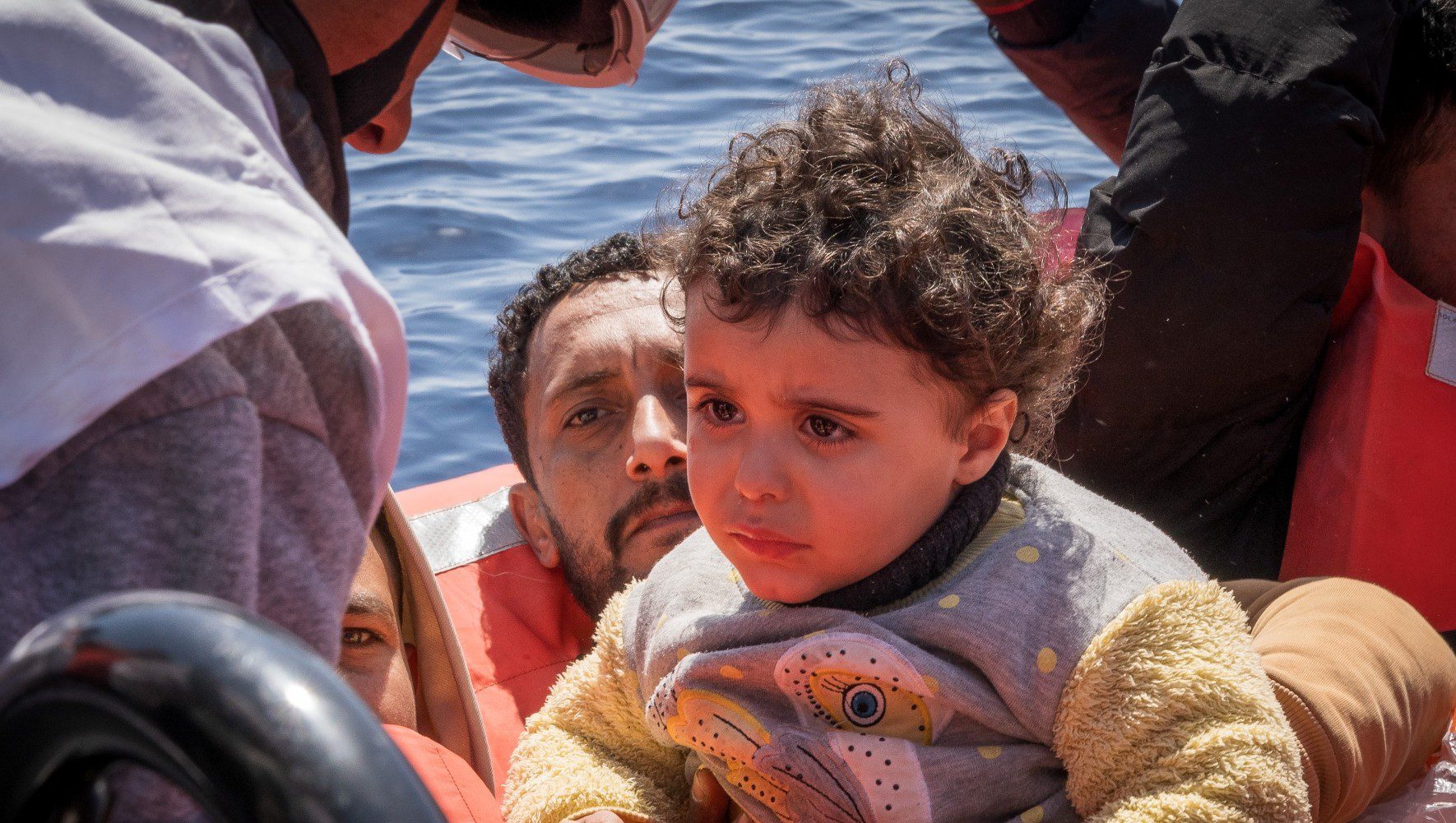
While people await a decision on their asylum claim, they are often detained or forced to live in poor conditions. In some border countries, people are sometimes denied their legal right to seek asylum and subjected to “pushbacks”. Simultaneously, member states are also shirking their refugee resettlement obligations, leaving many people with no routes to safety. At least 34,000 people have died or gone missing trying to cross the Mediterranean Sea since 2014.
Deep Dive: The EU Pact on Migration and Asylum
Read MoreHow will the new EU Pact on Migration and Asylum affect refugees and asylum seekers in Europe?
After years of debate, the Pact on Migration and Asylum goes into effect on June 12. The Pact is intended to surmount the political impasse on EU migration policy by tightening external border controls, accelerating asylum procedures, facilitating returns, and sharing responsibilities more evenly across member states. The Pact reflects a stronger political focus on discouraging the arrival of displaced people.
Potential outcomes of the Pact may include the expanded use of detention, increased pressure on border states, and more frequent use of emergency measures that undermine human rights. However, as the Pact enters into force, European countries remain bound by human rights standards laid out in international and European law. HIAS Europe is advocating for member states to implement the new laws in a way that ensures the safety and dignity of asylum seekers.
How does HIAS support refugees and asylum seekers in Europe?
HIAS Europe manages humanitarian programming worldwide and supports Jewish communities, organizations, and activists within the EU in their efforts to welcome and integrate refugees. HIAS Europe adds a Jewish voice to European discussions on forced displacement.
Through technical and financial support, HIAS Europe empowers European Jewish communities to support refugees overseas and welcome refugees in their own communities. These programs promote social cohesion, often through interfaith collaboration and community sponsorship.
HIAS has offices in Belgium and Greece to advocate for refugee rights and aid refugees. We also work through local partners in Ukraine and Moldova to support displaced Ukrainians.
Learn more about our work in Europe here.
Donate today
Now more than ever, your support is needed to help refugees and displaced people rebuild their lives.