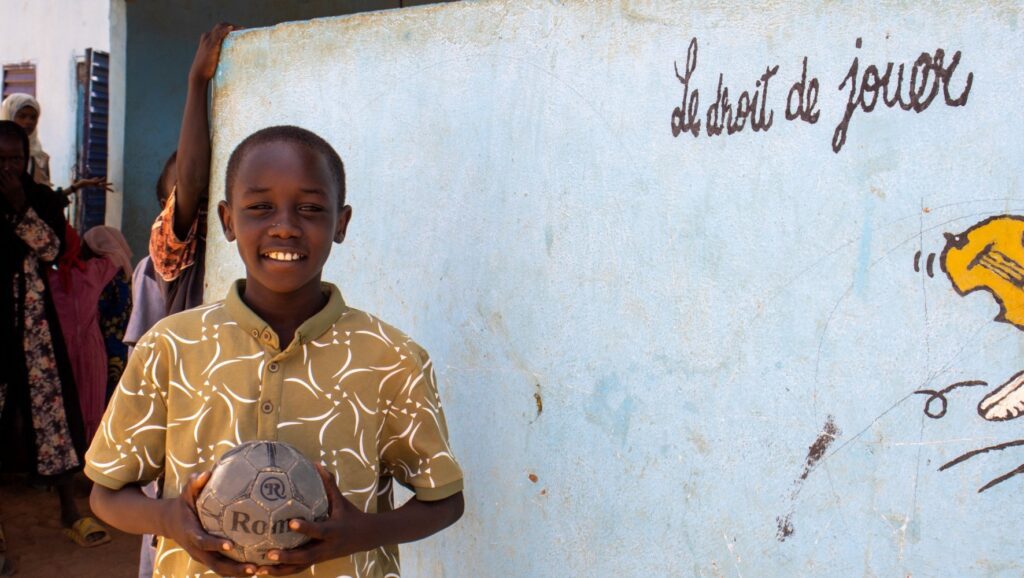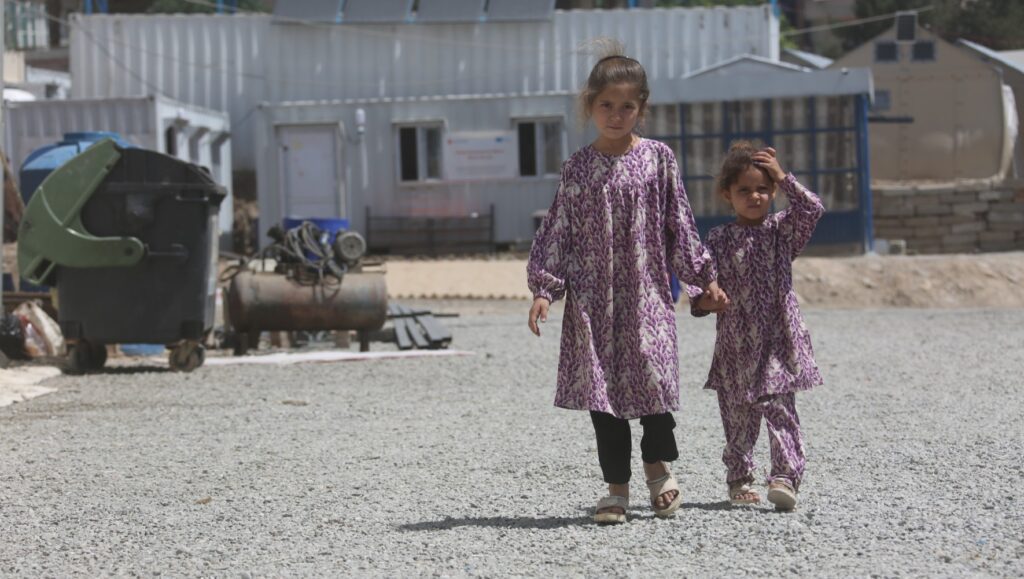
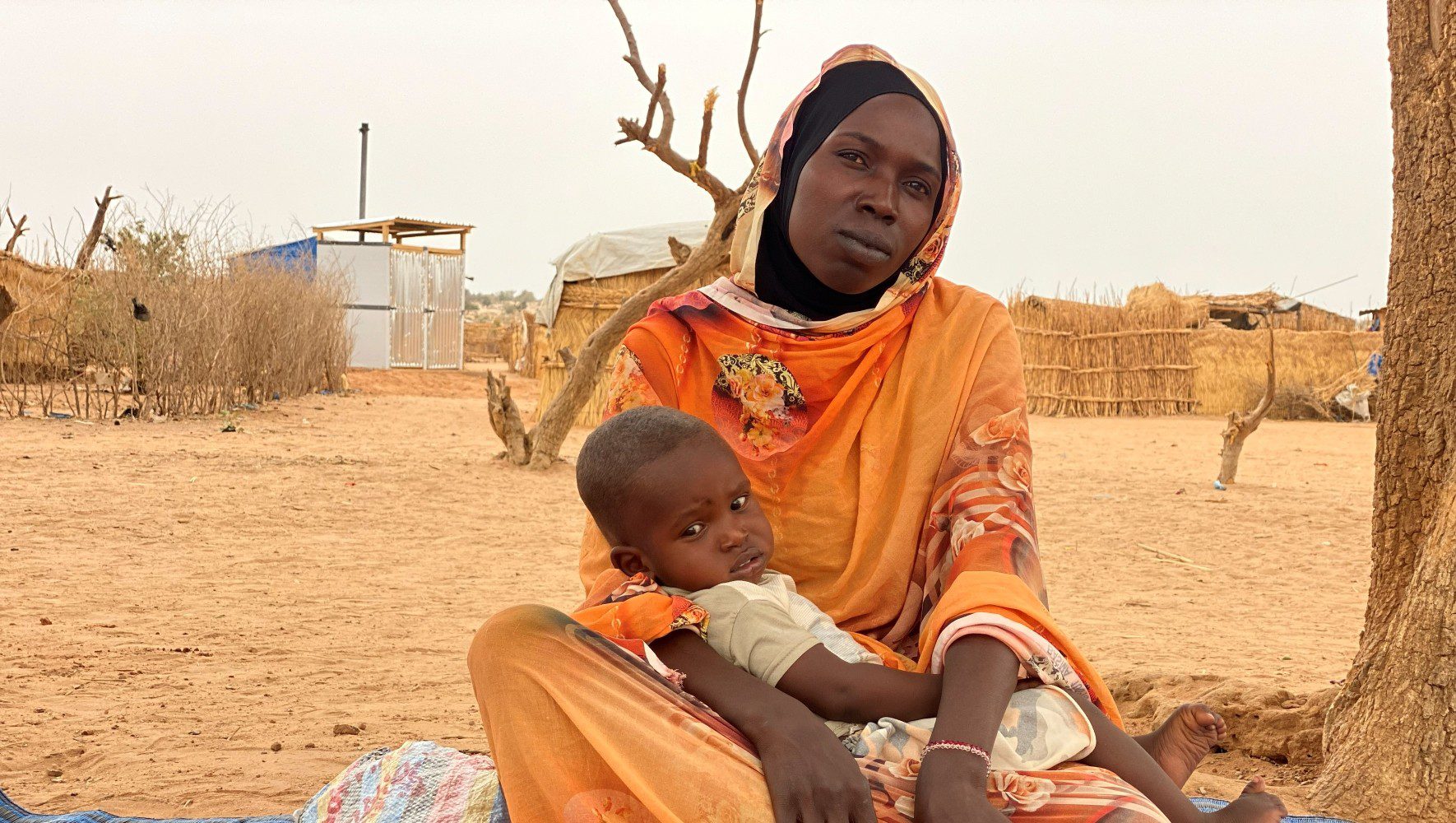
Since April 2023, the civil war in Sudan has led to the world’s largest and most urgent humanitarian crisis. Nearly one million Sudanese people have fled into neighboring Chad, seeking shelter in refugee camps along the country’s eastern border. These new Sudanese refugees have joined an existing population of refugees, some of whom have resided in the camps for nearly 20 years.
The large quantity of new arrivals has overwhelmed local resources and humanitarian services. In just over two years, more Sudanese refugees have arrived in Chad than in the previous two decades of Sudanese displacement combined. The increased need also intersects with drastic cuts to humanitarian aid, which have pushed refugees in Chad, and their host communities, to the brink.
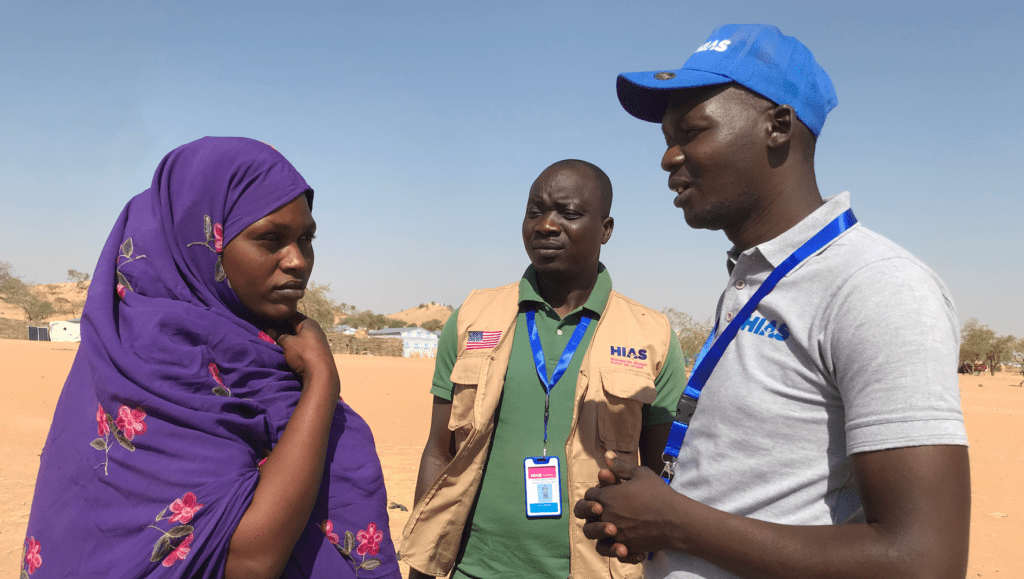
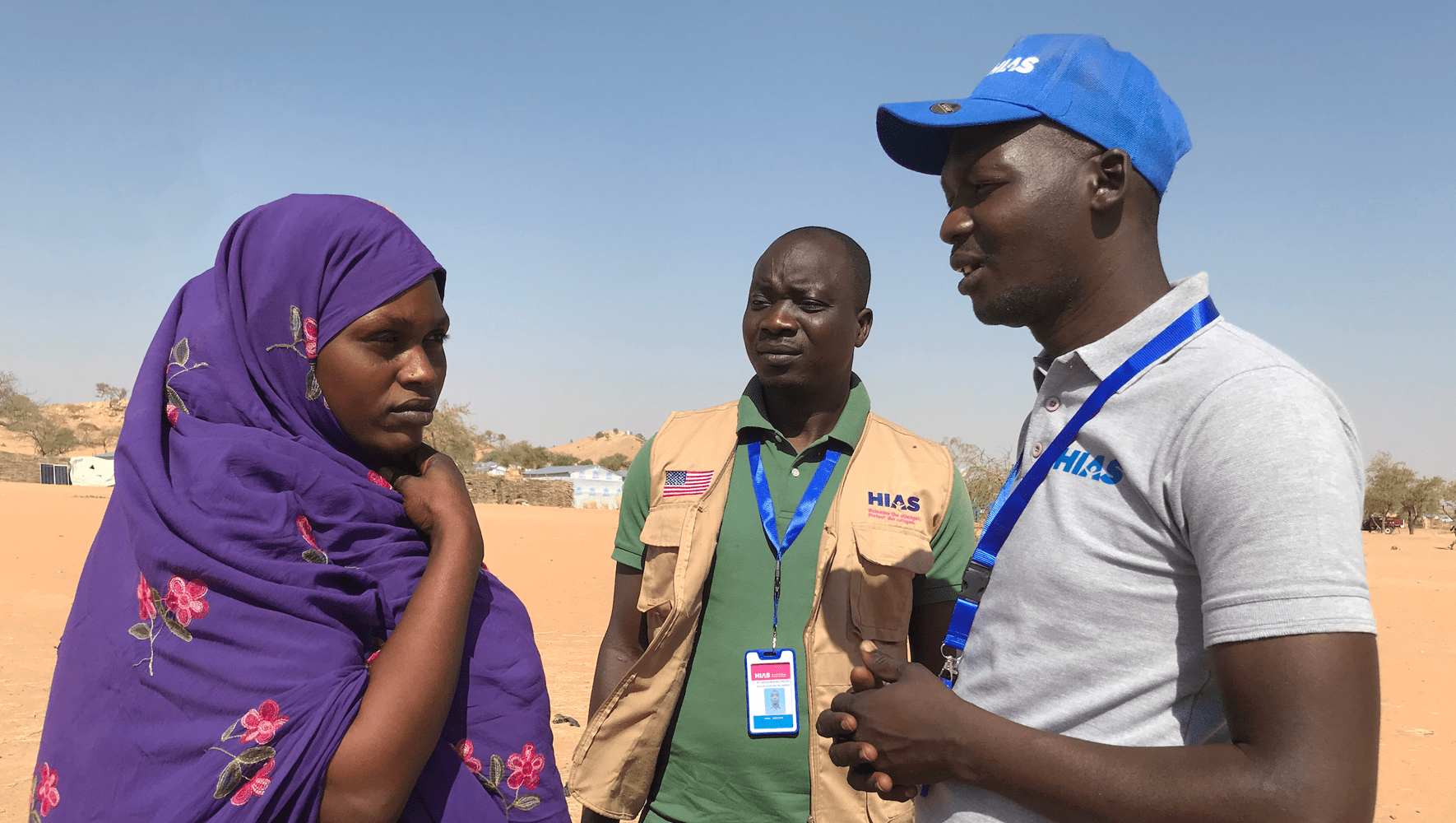
Despite this extraordinarily challenging context, HIAS Chad continues to provide services to refugees, displaced people, and host communities, as we have for more than two decades. What is the current landscape for refugees in Chad? Read more to find out.
Your support matters
Your donation will empower HIAS to provide life-saving humanitarian assistance to refugees and displaced people where and when it’s needed most.
Where do refugees in Chad come from and how has the civil war in Sudan changed the refugee landscape in Chad?
Chad now hosts more than 1.8 million displaced people and has the highest number of refugees per capita in Africa. Refugees and displaced people in Chad come primarily from Sudan, the Central African Republic (CAR), Nigeria, and Cameroon. These populations reside in different parts of the country and arrived in different periods since 2001, fleeing violence, political instability, persecution, and climate change.
Currently, most newly arrived refugees are coming from Sudan to escape the civil war. Fighting between the Sudanese government and a paramilitary organization known as the Rapid Support Forces has displaced over 14 million people throughout Sudan. Since mid-April 2023, more than 900,000 people have crossed into Chad from Sudan, fleeing the war and renewed ethnic violence in Darfur. Though Chad welcomes refugees, the country has extremely limited resources, with more than 40% of its population already in need of humanitarian assistance.
What challenges do refugees and displaced people face in Chad?
Refugees and displaced people in Chad frequently struggle to access adequate food and shelter. There are limited opportunities for earning a sustainable livelihood and women and girls often experience violence along migration routes and in refugee camps. Refugees and their host communities also have limited access to essentials like healthcare, clean water, and education, which leaves them highly vulnerable to exploitation, and reliant on humanitarian assistance. These challenges have all worsened due to significant reductions in humanitarian aid.
In addition, recurring droughts and floods take a heavy toll on communities, eroding livelihoods and driving widespread food insecurity. In 2024, the government was forced to declare a food emergency for the third consecutive year. Even amid these mounting pressures, Chad has remained steadfast in maintaining an open‑door policy for refugees for more than two decades.
After Three Years of Conflict, Sudanese Refugees Forge New Lives in Chad
Read MoreWhat has been the impact of cuts to humanitarian aid in Chad?
In early 2025, the Trump administration cut U.S. humanitarian aid around the world, including in Chad. Humanitarian funding for Chad dropped sharply over the past year, from about $338 million in 2024 to $112 million in 2025, a decline of nearly 67 percent. These cuts directly led to reduced food assistance, limited health services, and major gaps in protection programs for survivors of sexual violence, leaving many vulnerable people without the support they need.
The Trump administration’s cuts to humanitarian aid have also cost refugees their livelihoods and access to mental health care to recover from the trauma of war. The cuts in lifesaving aid are leading to malnutrition, reduced shelter, and increased rates of sexual and domestic violence against women and girls. In particular, children often experience the most heartbreaking consequences, with limited access to food, water, and education. Many refugees have also been left stranded at the border, without any funds to move to more secure shelter in the camps.
How does HIAS support refugees and displaced people in Chad?
Working with refugees in Chad for more than two decades, HIAS focuses on strengthening community-based protection networks and promoting peaceful coexistence between refugees and their host communities. HIAS Chad partners with the government and other humanitarian organizations to welcome refugees by providing protection and addressing basic needs in emergency situations.
Every day, HIAS staff are providing life-saving assistance to refugees in Chad. We provide mental health support, economic assistance, and work to end violence against women and girls. We also distribute food and non-food items and implement economic projects that help refugees build sustainable sources of income.
Learn more about our work in Chad here.
Your support matters
Your donation will empower HIAS to provide life-saving humanitarian assistance to refugees and displaced people where and when it’s needed most.