Panama unites two continents and has served as a bridge for people in transit between North and South America for millennia. Today, Panama serves as both a crossing point and a host country for refugees, displaced people, and migrants across Latin America.
Even as immigration policies shift throughout the western hemisphere, thousands of people on the move still require urgent humanitarian assistance, particularly in border areas such as Darién, Chiriquí, and Colon.
Since 2010, HIAS Panama has supported thousands of refugees, asylum seekers, and displaced people. What exactly is the current landscape for refugees in Panama? Read more to find out.
Your support matters
Your donation will empower HIAS to provide life-saving humanitarian assistance to refugees and displaced people where and when it’s needed most.
Where do refugees and displaced people in Panama come from and how has the reverse migration trend changed migration flows?
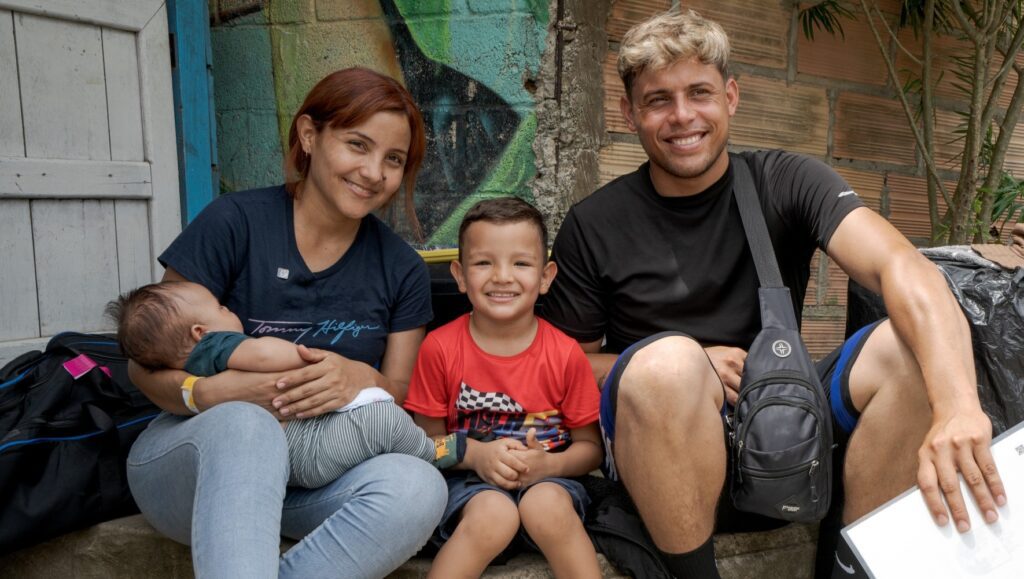
In 2025, Panama hosted more than 155,000 displaced people, including over 5,000 refugees and 36,500 asylum seekers. More than half of those in need of protection come from Venezuela, while thousands of others originate from countries across Central America.
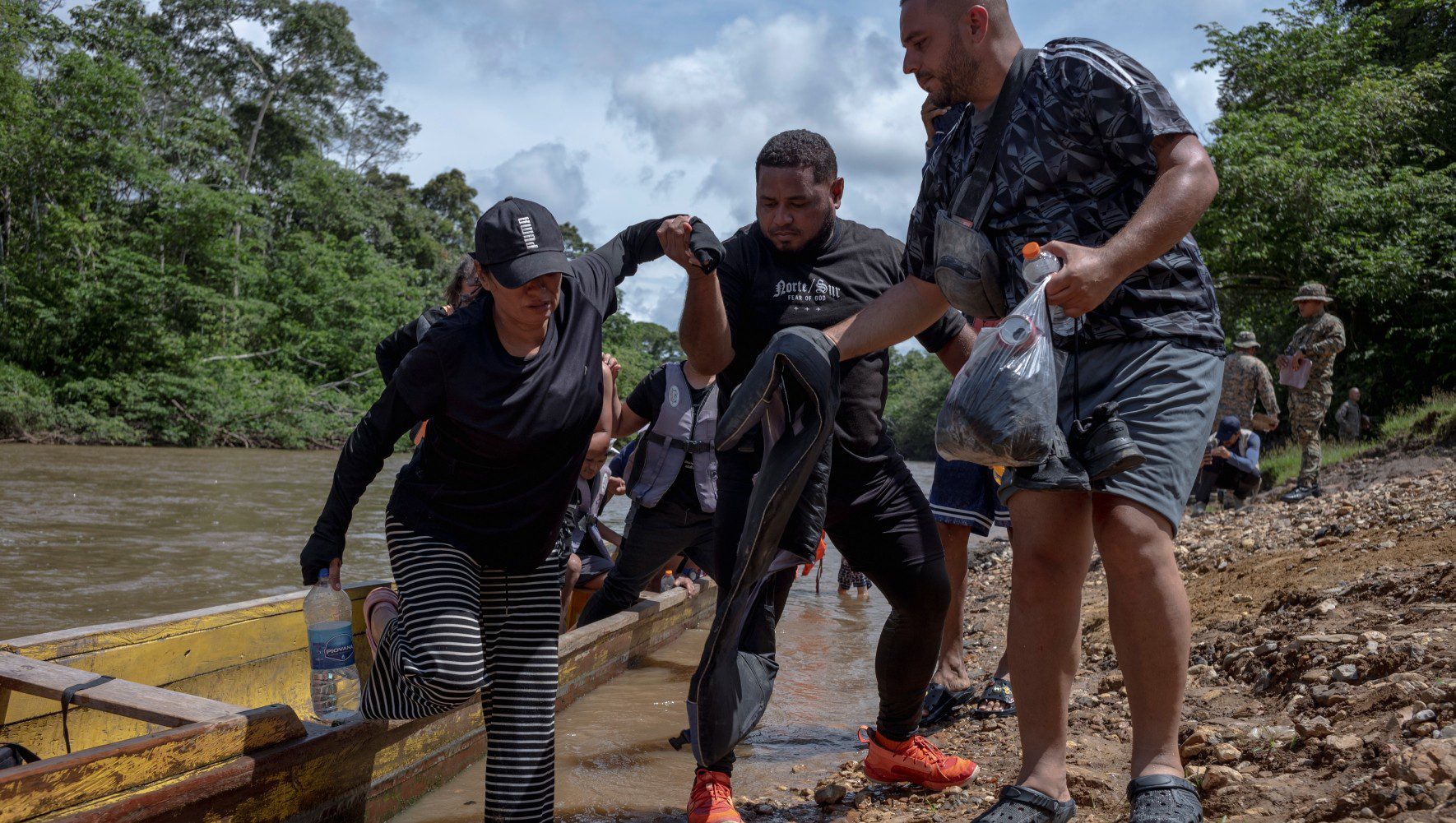
For years, thousands of refugees and migrants traveled from the south of Latin America north towards the United States. In 2023 alone, more than 500,000 people crossed the Darien Gap between Colombia and Panama, traversing a dangerous jungle rife with treacherous wildlife, disease, and violent human traffickers.
Due to changes in U.S. asylum and immigration policy, a new trend emerged this past year: reverse migration. Thousands of people are now traveling south instead of north, and HIAS is one of the few organizations still providing services to people in transit.
What challenges do refugees and displaced people face in Panama, and what has been the impact of cuts to humanitarian aid?
Even though the migration routes have changed, the route south is no less perilous than the journey north. Migrants face criminal groups demanding exorbitant amounts of money for passage from Honduras to Panama. Along the way, they encounter severe hardships: inadequate shelter, scarce drinking water, limited basic services, persistent food insecurity, and little financial means to return home. Many who complete the journey are traumatized.
These challenges are compounded by a shortage of support. Once common along the route, many aid organizations have withdrawn due to significant U.S. government cuts to humanitarian assistance.
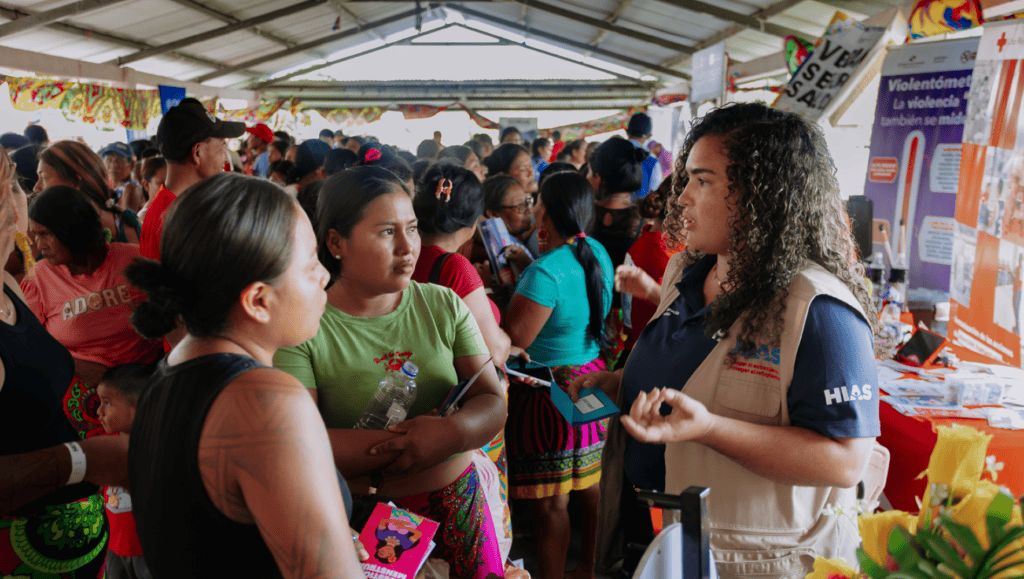
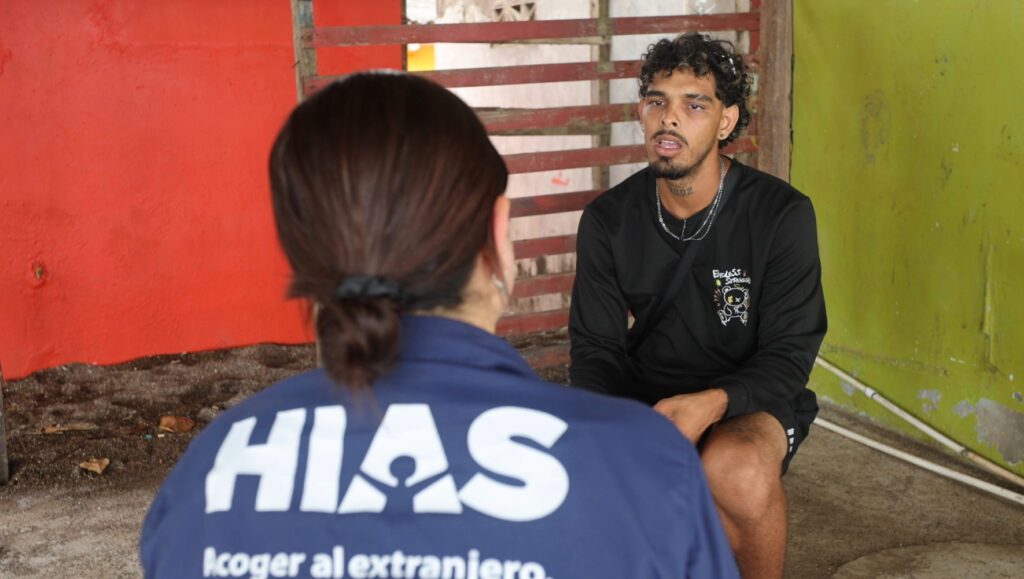
HIAS has not been immune to these funding reductions. Yet we remain. HIAS Panama has maintained a strong presence at key crossing points, providing protection services, mental health care, and emergency financial assistance for food, shelter, and medical care.
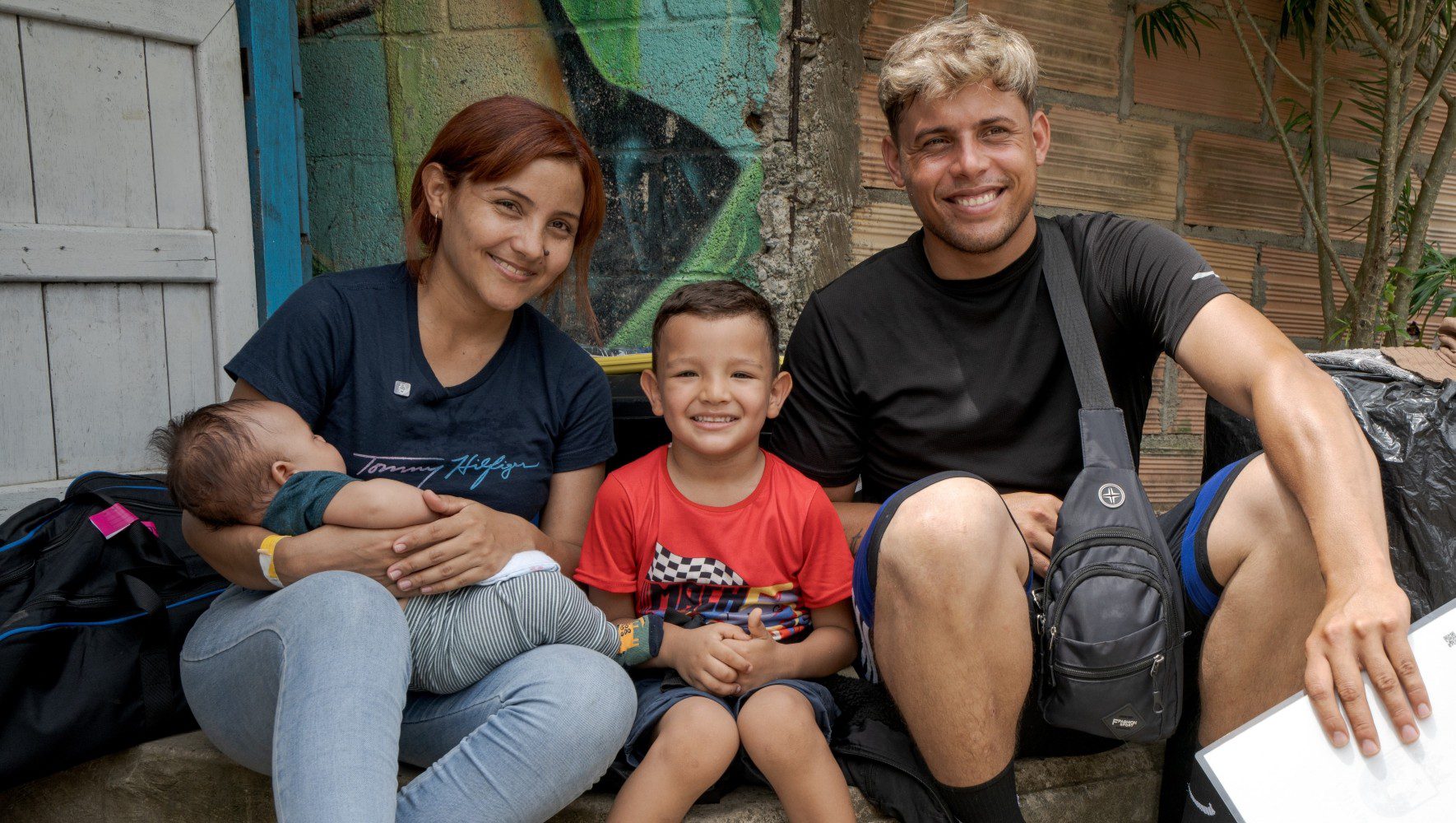
As Migration Patterns Shift, HIAS’ Support Remains Steadfast
Read MoreWhat rights do refugees and displaced people in Panama have and what barriers do they face?
Panama became a signatory to the 1951 Refugee Convention and its 1967 Protocol in 1978. The country’s legal definition of a refugee closely aligns with the Convention, but Panama has also expanded protections to people fleeing sexual violence and domestic violence, as well as punishment for defying societal norms and customs.
Despite these guaranteed rights, Panama’s asylum system can be difficult to navigate in practice. Current administrative backlogs and established application timelines often mean that refugee status and work permits take longer than expected to obtain.
These delays can increase vulnerability, especially for dependent family members who may not receive identification right away. While efforts are ongoing to improve document recognition across institutions and to ensure support during waiting periods, some authorities still do not fully recognize these documents.
HIAS and our partners work to provide legal information and assistance to refugees and asylum seekers. We advocate for a fairer and more efficient asylum system which can reduce backlogs and create more pathways to protection.
How does HIAS support refugees and displaced people in Panama?
HIAS has supported refugees and displaced people in Panama since 2010. Our programs provide protection services, mental health care, and economic opportunities.
We help refugees, asylum seekers, and migrants build dignified, sustainable livelihoods that strengthen self-reliance. By partnering with local communities and NGOs, we foster integration and create safe spaces where refugees and host community members work together on community projects and address shared challenges.
Learn more about our work in Panama here.
Your support matters
Your donation will empower HIAS to provide life-saving humanitarian assistance to refugees and displaced people where and when it’s needed most.