What Defined 2025 for Refugees, Asylum Seekers, and Humanitarian Aid?
2025 unfolded as a year when record global displacement collided with the most sweeping rollback of U.S. humanitarian policies in recent history. On January 20, the new Trump administration took office and swiftly issued hundreds of executive orders reshaping immigration and humanitarian assistance, and slashing billions in approved humanitarian aid. At the same time, more than 122 million people around the world were forcibly displaced — one in every 67 individuals.
The effect was seismic. The U.S. Refugee Admissions Program (USRAP) was suspended, Humanitarian Parole programs were stripped away, and USAID was shut down. These moves weren’t just bureaucratic: they cut off vital lifelines for the most vulnerable. Removals surged, often without sufficient due process, and the U.S./Mexico border was closed to people seeking asylum. The consequences of the aid cuts have been felt globally — and they will compound for years to come. One recent study estimates that 14 million lives are at risk if these cuts continue through 2030.
Within the first week, HIAS’ clients and programs had been dramatically affected, and many of our government contracts suspended. However, HIAS remained unwavering, strategically pivoting our resources and programs to continue providing protection, mental health support, and economic empowerment initiatives for displaced people seeking to rebuild their lives.
Your support matters
Your donation will empower HIAS to provide life-saving humanitarian assistance to refugees and displaced people where and when it’s needed most.
How Did Policy Changes Affect People Seeking Safety?
The U.S. government’s policy shifts weren’t hypothetical — they had real, immediate costs for people across the globe. Asylum seekers saw pathways to safety shut down. Families approved for resettlement suddenly found themselves stranded. Individuals on TPS felt exposed to swift removals. Border restrictions at the U.S.–Mexico border fueled not just fear, but reverse migration: people who could no longer seek protection in the U.S. opted instead to move south, risking dangerous routes along the way.
For decades, the United States has been the world’s largest provider of foreign assistance. This humanitarian aid is what keeps people alive when everything else has been stripped away. It’s clean water when wells run dry. Medical care when illness strikes. Safe shelter when violence forces families to flee. It’s food for hungry children, trauma counseling for survivors, and a lifeline for people who’ve lost everything.
HIAS teams throughout our country offices reported increasing vulnerability along migration paths: loss of shelter, dwindling food access, and rising exposures to violence and exploitation. These risks were not isolated; they reflected a broader contraction of safety mechanisms at the very moment people needed them most.
Meanwhile, in regions already reeling from crisis, the impact of shrinking aid was devastating. In Africa and Eurasia, where conflicts in Sudan and Ukraine displaced millions, HIAS’ protection work became more urgent even as funding declined.
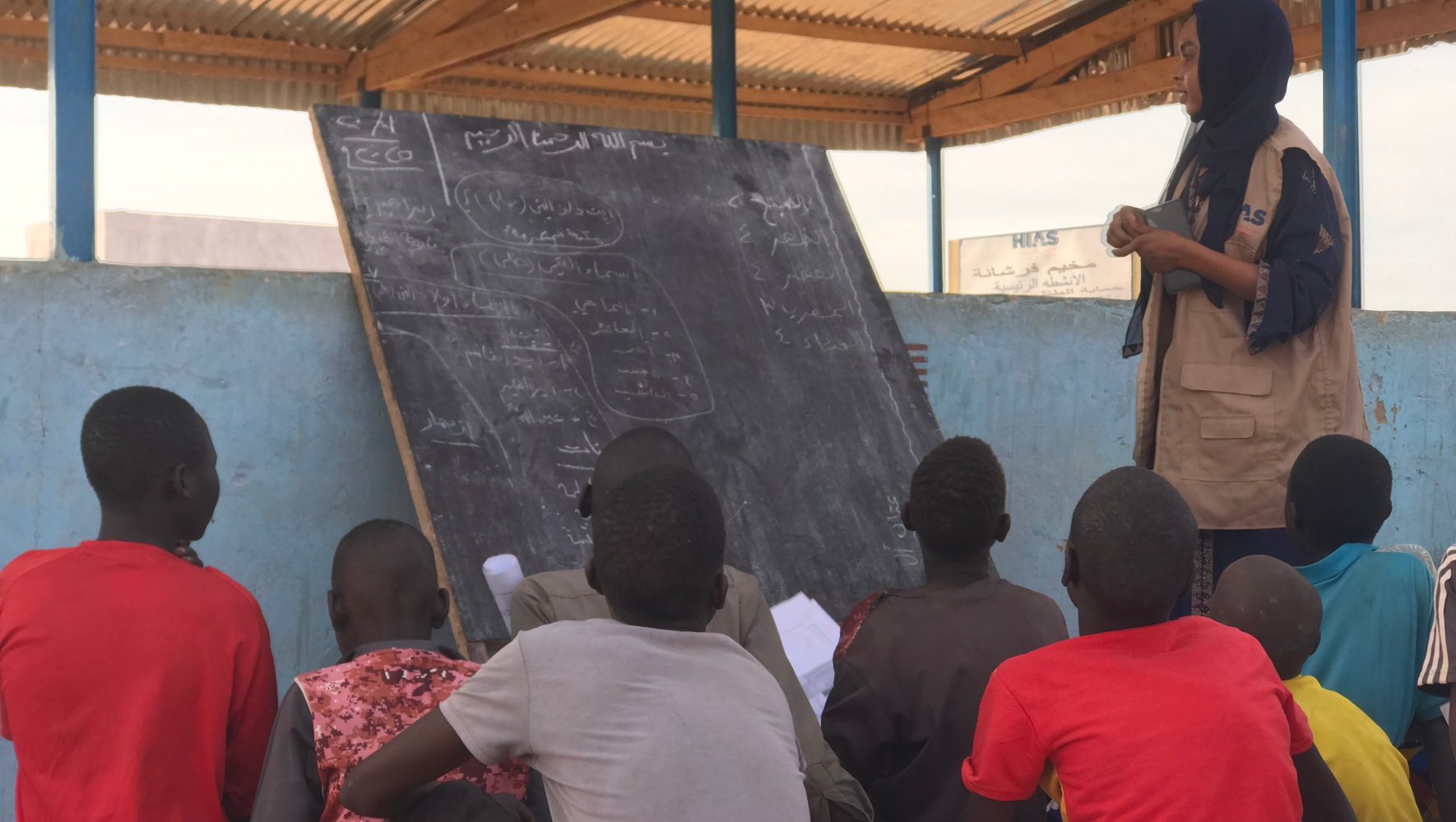
New York Times Video: Despite Foreign Aid Cuts, HIAS Chad Continues to Support Sudanese Refugees
Read MoreHow Did HIAS’ Global Footprint Change in 2025?
Faced with deep funding cuts and policy headwinds, HIAS had to make hard decisions. Several country offices were closed, staff were laid off, and longstanding partnerships were disrupted. These losses were painful, but they came with a clear guiding priority: preserving core services for displaced people.
Even as our footprint contracted, HIAS remained deeply embedded in client communities. Our teams restructured programs, leaned on trusted local partners, and sustained essential services. Legal protection continued. Mental health and psychosocial support remained central. Economic empowerment programs pressed on in the places where they could make the most difference.
How Did HIAS Fight Back?
In 2025, we filed two major lawsuits. Pacito v. Trump which was the leading legal challenge to the suspension of refugee resettlement, and Global Health Council v. Trump, which challenged the freeze on foreign assistance, even reaching the Supreme Court. Through these legal actions, HIAS reaffirmed its deep commitment to justice, fighting not only for policy change but also for the rights and dignity of forcibly displaced people everywhere.
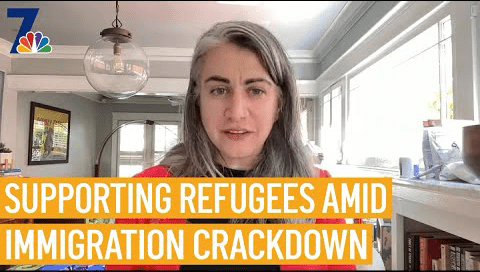
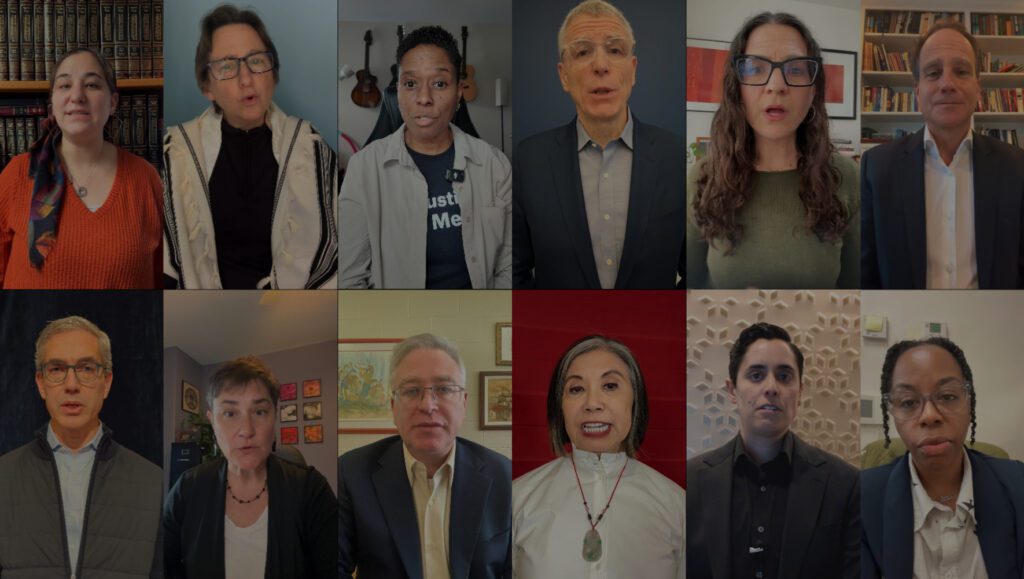
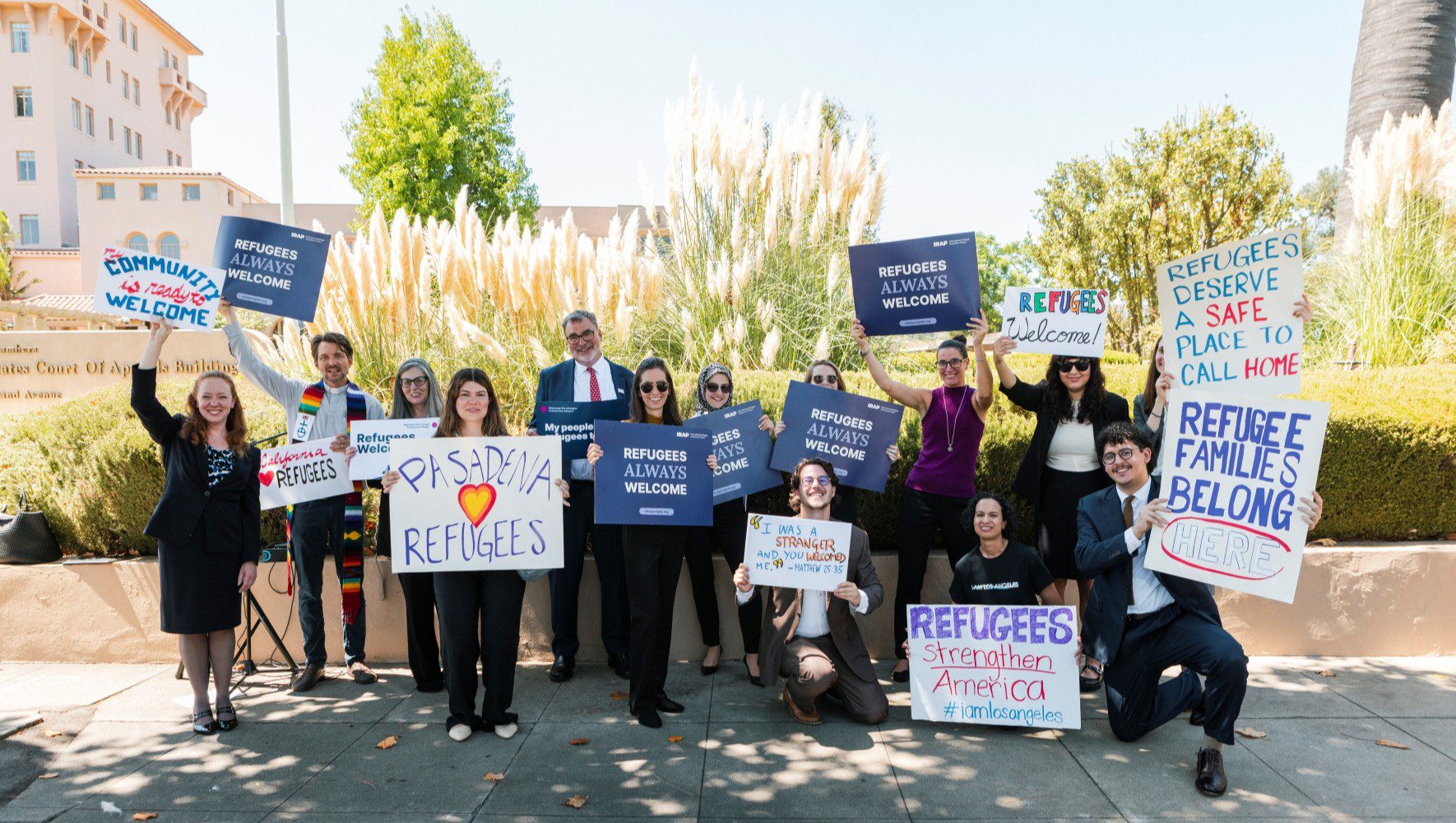
But our response didn’t stay in the courtroom. HIAS mobilized Jewish communities nationwide, engaging more than 600 congregations in advocacy, training, and direct welcome efforts. We partnered with broad coalitions, advocated to Congress, and provided expert analysis to spotlight how asylum bans, immigration court erosion, and funding cuts harmed real people.
Our fight reflected a core principle: seeking safety is a fundamental human right.
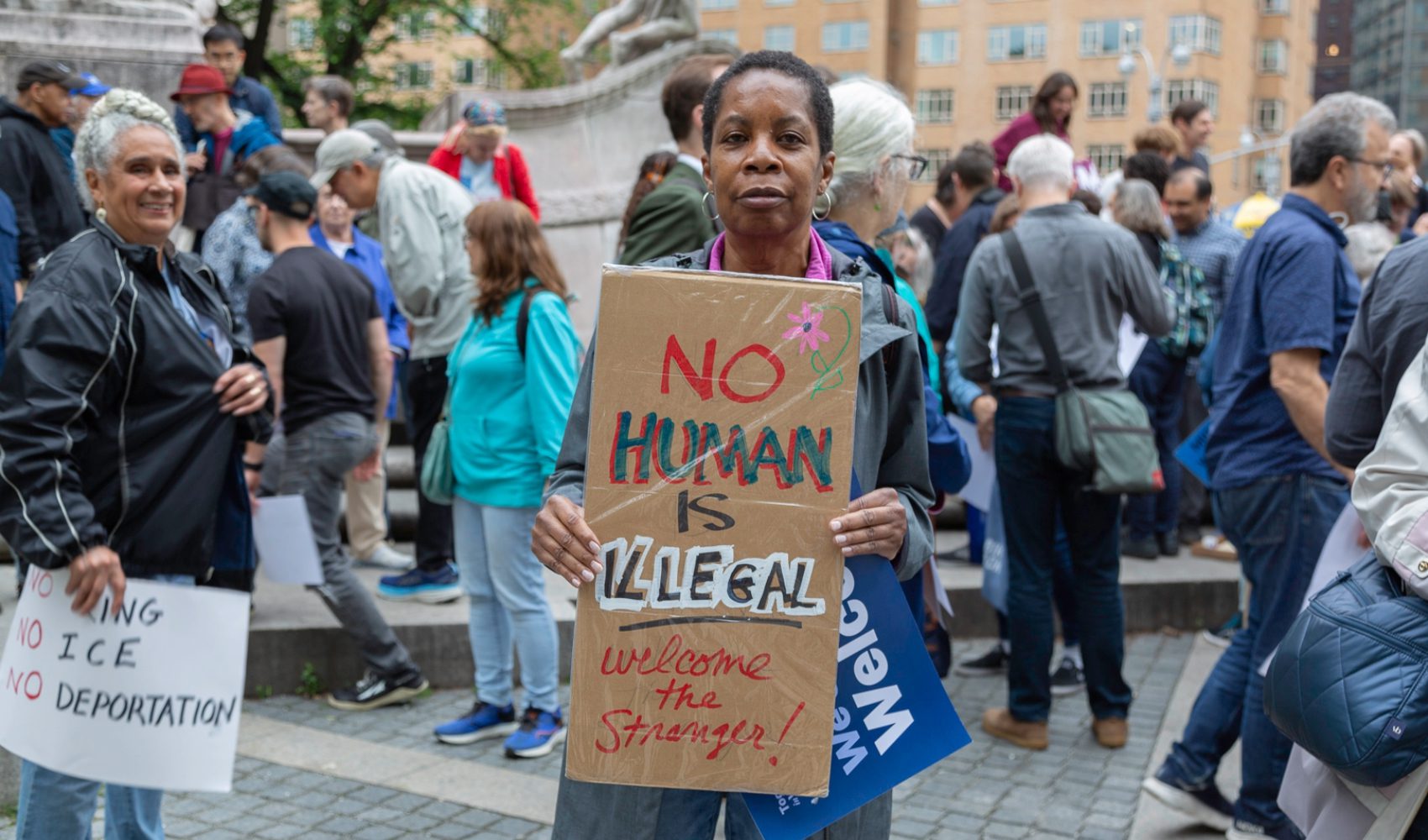
In Vigils Across the Country, Americans Gather to Fight for Welcome
Read MoreWhere Did Hope and Impact Emerge in a Year of Crisis?
2025 was a challenging and devastating time when we saw the safety and dignity of the people we serve come under attack. Throughout the year, our values guided HIAS’ response and in partnership with our supporters, we saw lives transformed.
- Welcome: Across the U.S., Welcome Circles stepped up. Volunteers helped Afghans with Special Immigrant Visas (SIVs) with housing, school enrollment, medical care, and social integration. Through our Welcome Campaign, Jewish congregations stepped up to educate, advocate, and provide direct support — ensuring that welcome did not disappear when resettlement paused.
- Justice: Our legal actions weren’t just about policy; they were about people. HIAS’ lawsuits protected rights and dignity, defending displaced individuals from removal and fighting to restore critical humanitarian assistance.
- Empathy: We didn’t just provide services — we offered care. In Israel, displaced families received cash assistance and trauma-informed mental health support. In Ukraine, our group counseling helped parents and caregivers process ongoing war trauma. In Panama, Colombia, and Ecuador survivors of violence accessed culturally sensitive case management and psychological support.
- Partnership: Strategic alliances helped us do more where it mattered. In Colombia, we worked with NGOs and municipalities to support growing numbers of Venezuelan migrants. In Chad, our collaboration with UN agencies expanded psychosocial care and protection for Sudanese refugees.
- Courage: Refugees themselves became leaders. Our refugee clients in Kenya participated in advocacy and leadership initiatives. In Ecuador, refugee women shared their stories, pushed for change, and built safer, more inclusive communities.
- Resilience: Stories of rebuilding emerged everywhere. In the U.S., one refugee entrepreneur launched her company — then, after her home and vehicle were destroyed by a hurricane, rebuilt with support from HIAS’ Economic Advancement Fund. She not only restarted her business but grew it, creating jobs and contributing to her community.
Real lives — like those of a family beginning a new life in the U.S. because of HIAS’ lawsuit, or Sudanese refugees in Chad finding healing and recovery — show what steadfast support can achieve even in the darkest moments.
What Comes Next for HIAS?
HIAS enters 2026 with new leadership, clear resolve, and renewed purpose. In a moment when refugees and displaced people are experiencing great challenge, our work has never been more critical. As we have for over 120 years, HIAS will spend every day of 2026 advocating for the rights and safety of refugees and working within communities to offer programs that provide protection, healing, and opportunity.
The last few weeks of 2025 brought renewed attacks on refugees and immigrants. But even though the policy landscape has become more hostile, we take heart in the knowledge that public support for refugees and immigrants has grown, and that together with our supporters we can make a profound impact. HIAS will carry on standing with refugees — offering welcome, demanding justice, and nurturing resilience. Because seeking safety is not a privilege. It is a fundamental human right.
Your support matters
Your donation will empower HIAS to provide life-saving humanitarian assistance to refugees and displaced people where and when it’s needed most.