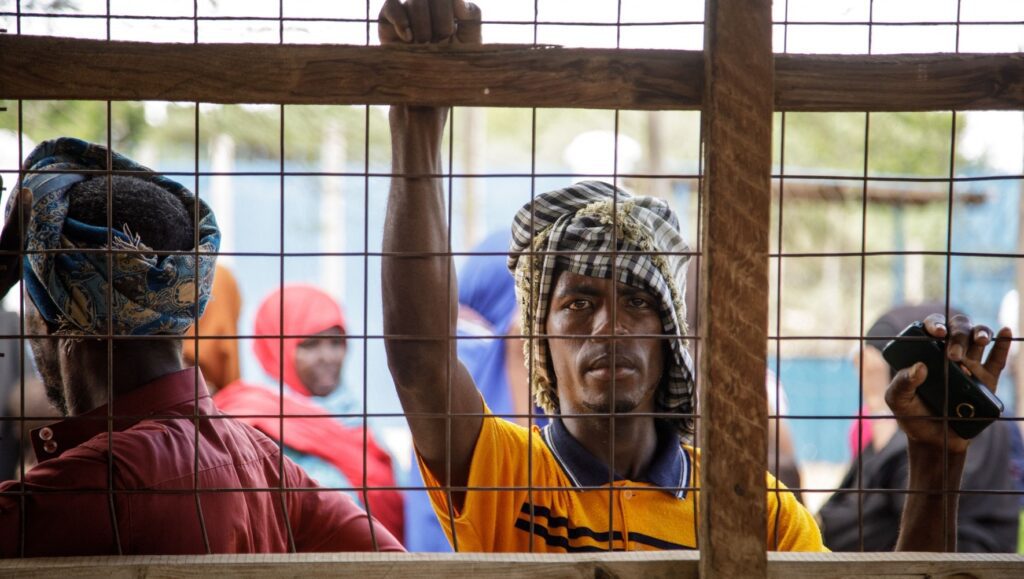
Over the past year, drastic cuts to humanitarian aid from the U.S. and European governments have forced refugees in Kenya to make hard choices. Many are withdrawing their children from school, forgoing vital medical care, and facing hunger and malnutrition.
In Kenya and around the world, women and girls are often disproportionately impacted when resources disappear. Domestic and sexual violence increases. Girls are forced to withdraw from school. Women and girls are even given less to eat than the men and boys in their family.
“The funding cuts in Kenya’s refugee response are not just numbers on a spreadsheet,” said HIAS Kenya Country Director Doris Kawira. “They are felt more acutely by women and girls. We are seeing safe spaces close, fewer services, and girls dropping out of school because their families can no longer afford necessities. The cuts are pushing girls into further vulnerabilities and increasing risks of early marriage, exploitation, and abuse. We risk reversing years of progress in protection and empowerment.”
It is more important than ever to protect women and girls living in displacement. Despite the challenges, HIAS is still providing vital services such as mental health care, violence prevention, and economic assistance to refugees in many countries, including Kenya.
Your support matters
Your donation will empower HIAS to provide life-saving humanitarian assistance to refugees and displaced people where and when it’s needed most.
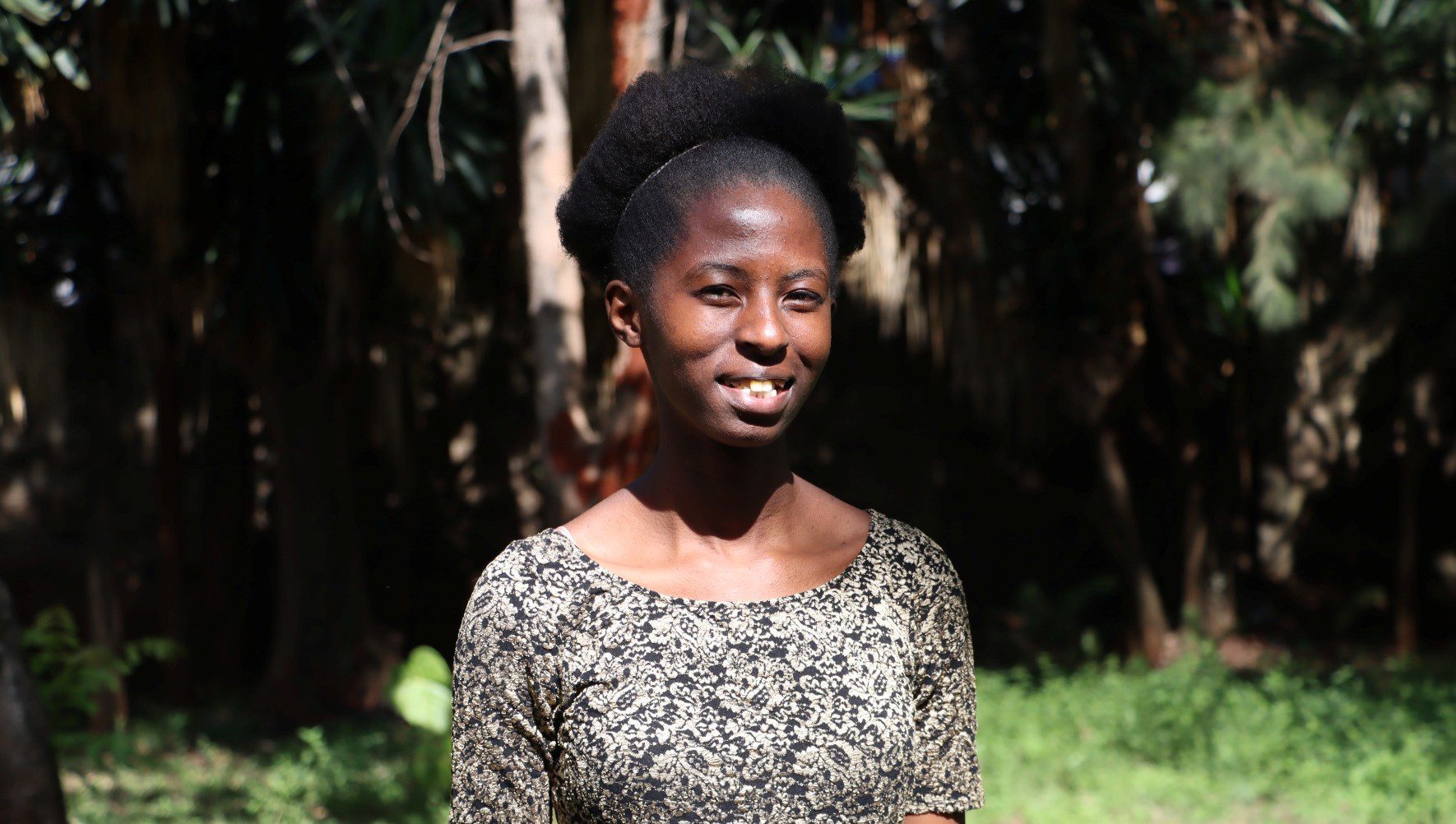
One such refugee is Linah, a young woman born in Kenya to Ugandan refugees. Linah is an electrical engineering student with big dreams. Last year, however, she was forced to put her education on hold because of financial constraints. She has repeatedly been denied internship and work opportunities because of her refugee status. Eventually, she became overwhelmed by stress, isolation, and self-doubt.
“I felt like I would never become someone substantial,” Linah said.
At a meeting, a community leader noticed Linah’s distress. The leader referred Linah to HIAS Kenya’s Self-Help Plus program, supported by the European Civil Protection and Humanitarian Aid Operations (ECHO). The Self-Help Plus program is a structured five-session group stress-management program developed by the World Health Organization that HIAS offers to refugees in Kenya.
Linah joined the program and learned how to take care of her mental health needs. In particular, grounding exercises became essential tools in helping manage her stress and emotions.
Within the Self-Help Plus program, Linah was surrounded by young people her age facing similar struggles. It helped her realize she was not alone.
“What made the program successful for me is that I connected with other people, from the participants to the facilitator to the content being shared,” she said. “It made me feel like I truly belong and that I am not alone.”
Before participating in HIAS’ mental health program, Linah often withdrew, avoided speaking up, and compared herself negatively to others, especially on social media. Today, she describes herself as “a whole new being.”
She now makes decisions with confidence, uses grounding skills daily, and approaches challenges with a clear head. At home, she no longer goes silent when tensions arise. Instead, she confronts problems with maturity and emotional balance.
“Challenges are part of everyday life but learning how to cope with them ensures that we face life head-on,” she said.
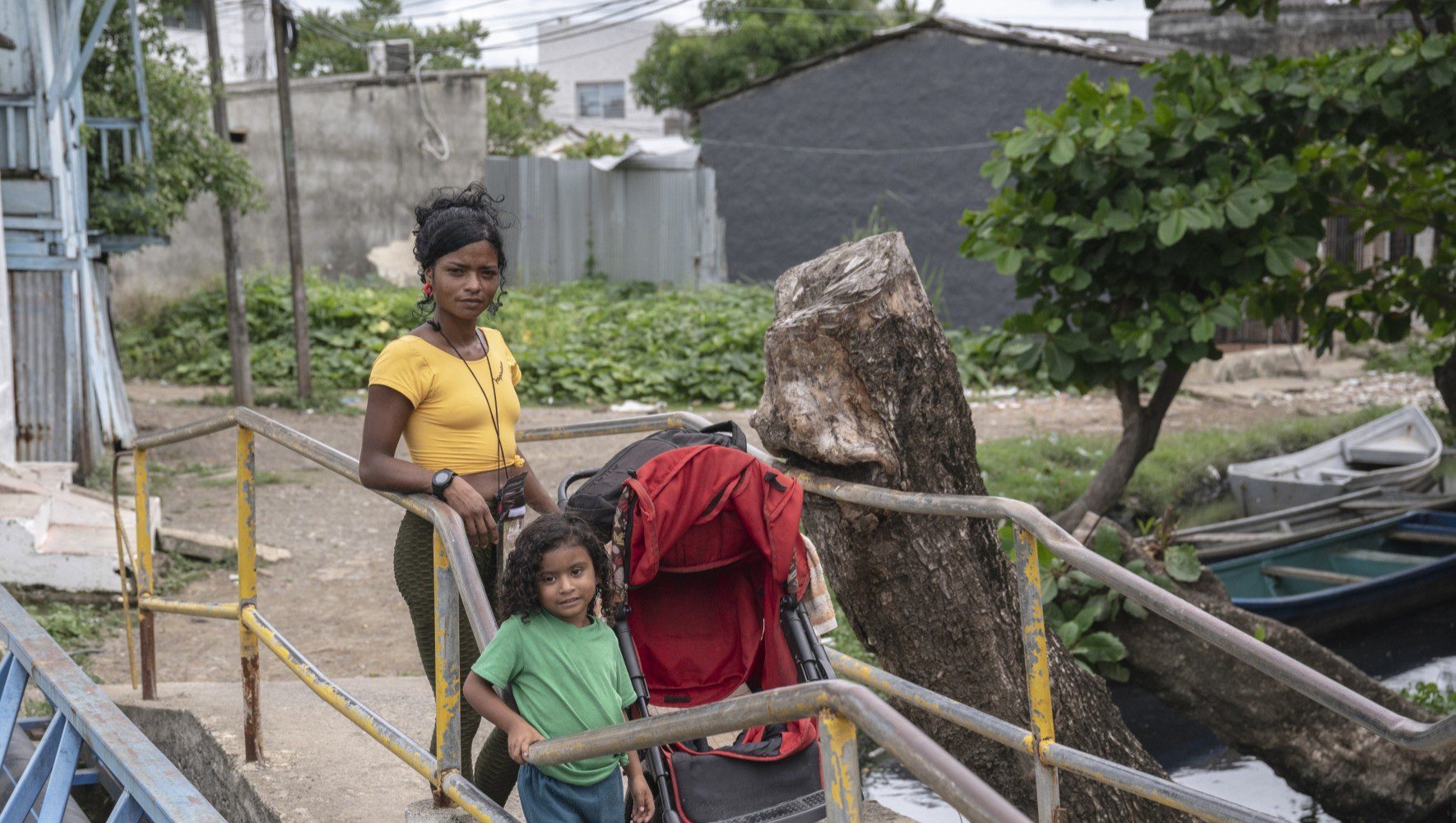
HIAS CEO: When Women Are Safe, Communities Thrive
Read MoreLinah even uses the lessons she learned from HIAS to help friends and community members who are experiencing mental health crises. She sees herself not just as a participant but as a peer supporter.
“Self-Help Plus groups have equipped the refugees with practical tools to manage stress, cope with trauma, and rebuild a sense of control over their lives,” Doris said. “In this setting where formal mental health services are limited, these groups are creating safe spaces for people – especially women and girls – to support one another, strengthen resilience, and regain hope for the future.”
In time, Linah was able to obtain IT skills which led to a part-time job, keeping her dreams afloat. She hopes to complete her diploma and pursue a career as an engineer. She is grateful for the constellation of support from community leaders, county initiatives, and HIAS Kenya’s mental health interventions that made her current confidence possible.
“There’s a calming effect and a sense of belonging that comes with these sessions,” Linah shared. “Mental health is often overlooked, but through programs like Self-Help Plus, we finally have a place to speak openly.”
Many refugee women in Kenya need access to mental health care to overcome the trauma of displacement, but mental health is not often prioritized in aid distributions. Organizations are making heartbreaking decisions about how to continue helping refugees with drastically smaller budgets.
As one Somali refugee woman recently put it: “Most of the women here require mental support for their peace of mind and we do not have that.”
No matter what, HIAS Kenya remains committed to helping as many refugees as possible, while continuing to provide support for their mental health.
“As HIAS, we cannot afford to scale back mental health support for refugee women,” Doris said. “They are carrying the weight of displacement, caregiving, trauma, and economic hardship. When we support refugee women’s mental health, we are safeguarding the resilience of entire communities.”
Your support matters
Your donation will empower HIAS to provide life-saving humanitarian assistance to refugees and displaced people where and when it’s needed most.