Rising xenophobia around the world is leading to violence against refugees, asylum seekers, and immigrants. In South Africa, the latest attacks on refugee and immigrant communities have forced people to hide in their homes or even flee for their lives.
“I have witnessed and experienced many incidences of xenophobic violence, but I have never felt this scared and traumatized,” said Gaby, a refugee community leader. “My wife and children are terribly terrified, even though they are South African citizens of foreign origin.”
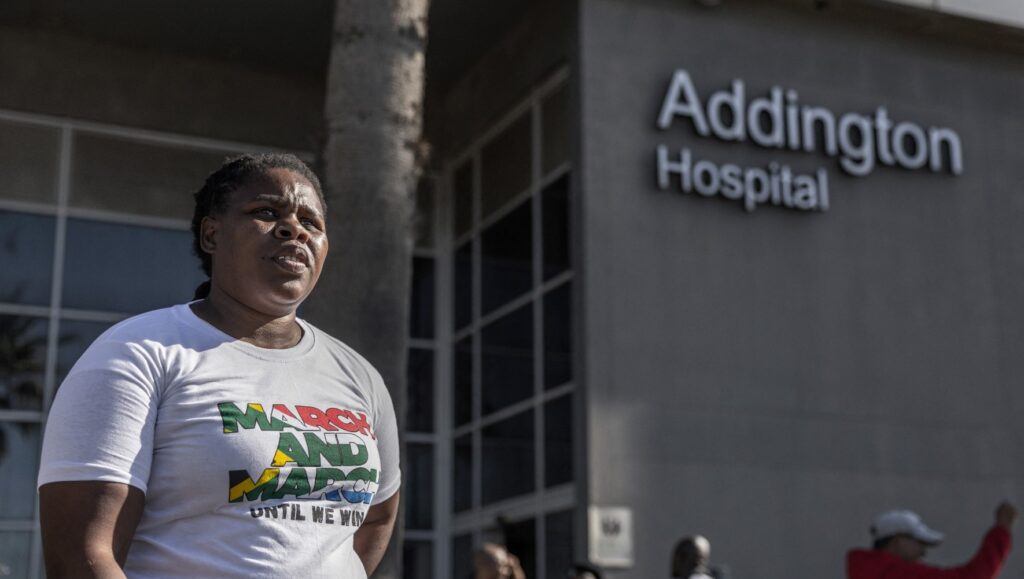
The vigilante groups spearheading the violence, Operation Dudula and March and March, are mostly concentrated and active in the province of KwaZulu-Natal where HIAS South Africa is based. These groups have set a June 30 deadline for “illegal immigrants” to leave South Africa, and it is unknown what level of violence will be unleashed after the deadline on refugee and immigrant communities.
“The scariest thing is that most members of our communities are documented,” Gaby shared. “They are either naturalized, permanent residents, refugees, or asylum seekers, but they have been attacked more than once, called illegal immigrants and told to go back to their home countries.”
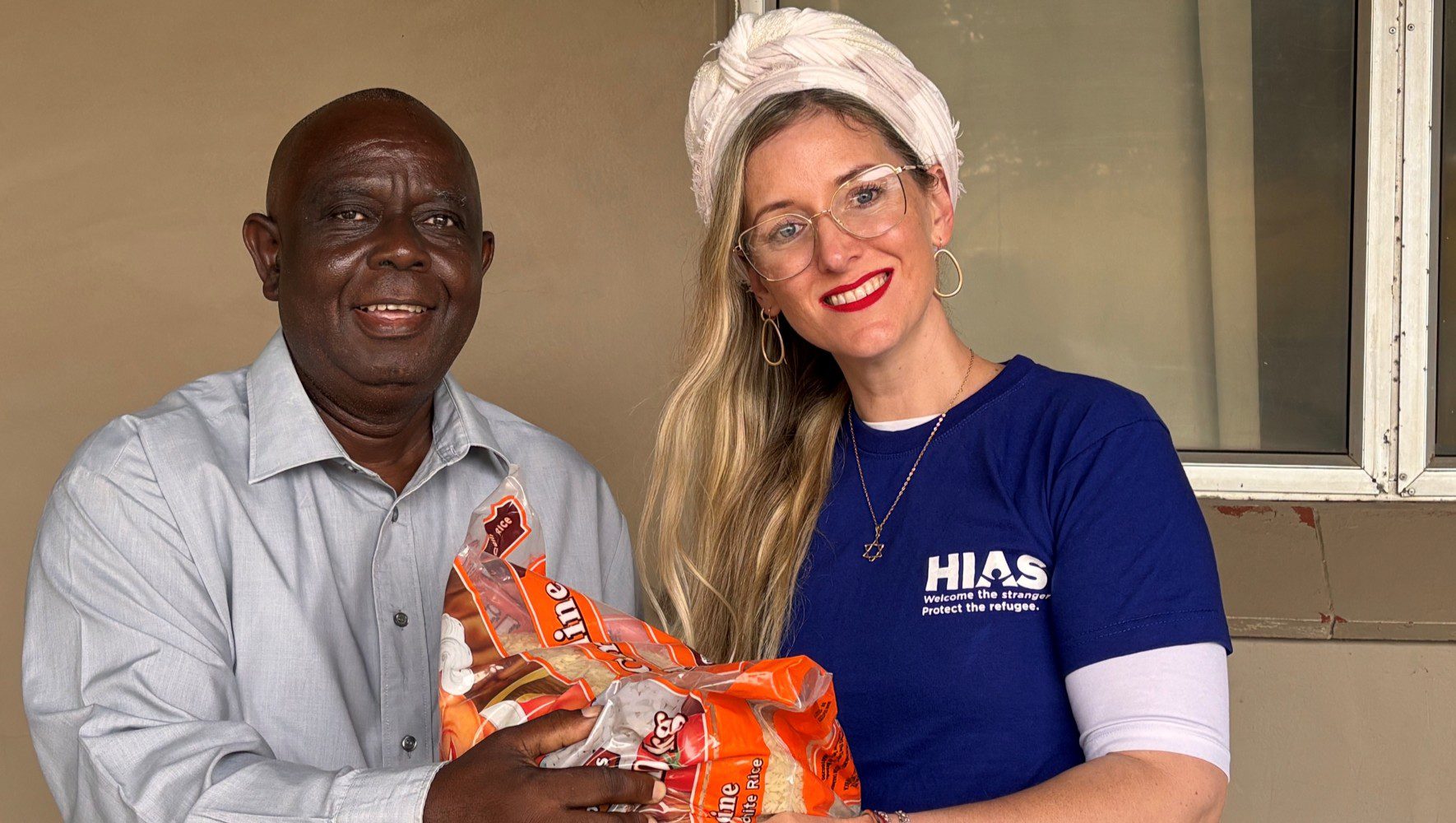
In response to the attacks, HIAS South Africa organized a fundraiser with the local Jewish community to provide emergency food relief to refugee families who cannot leave their homes to get groceries or earn income. In partnership with the KwaZulu-Natal South African Jewish Board of Deputies (SAJBD), the campaign has raised enough money to deliver food parcels to refugees in need. HIAS South Africa and SJABD will continue fundraising to help refugee families get through the worst of the violence.
“After being chased from working places, most of the refugee community depends on assistance at the moment,” said Eric, another refugee community leader. “The food parcels received from HIAS came as a big relief. And people still need more.”
Your support matters
Your donation will empower HIAS to provide life-saving humanitarian assistance to refugees and displaced people where and when it’s needed most.
Xenophobic violence is not new to South Africa. Attacks on immigrant communities began more than two decades ago, and return every few years. The violence can be deadly, with at least 62 people killed in 2008, 7 in 2015, and 12 in 2019. Every time, thousands of refugees and immigrants are displaced. As the violence increases again, some African countries, such as Malawi, Ghana, and Nigeria are even repatriating thousands of their nationals from South Africa for their safety.
“Sadly, foreign nationals are often scapegoated for government failures in our country, and we often see the flames of anti-immigrant sentiment fanned by politicians in the lead up to elections,” said Alana Pugh-Jones Baranov, HIAS South Africa’s Country Director.
“Since early 2025, we began to witness a new systematic, escalating campaign of intimidation against refugees, asylum seekers, and migrants alike, with no distinction between those who are documented and undocumented. What distinguishes this wave from previous outbreaks is the weaponization of social media to manufacture fear, spread disinformation and division, and rapidly coordinate violence at scale.”
The xenophobia has led to the denial of access to healthcare, education, and employment for refugees and immigrants, rendering life nearly impossible for many.
Eric shared that he lost his job as a court interpreter over the attacks. “I was fired because I acted as a spokesperson for refugees who went to seek protection from the police after being attacked several times with no police intervention,” he said.
Additionally, Eric’s wife was attacked on the street while working in April. Since losing their sources of income, Eric and his wife are dependent on assistance.
“Most of the members of my community were working as barbers and hairdressers,” Eric said. “As of now, no one is allowed to work and many families are affected. They are not able to provide for their families.”
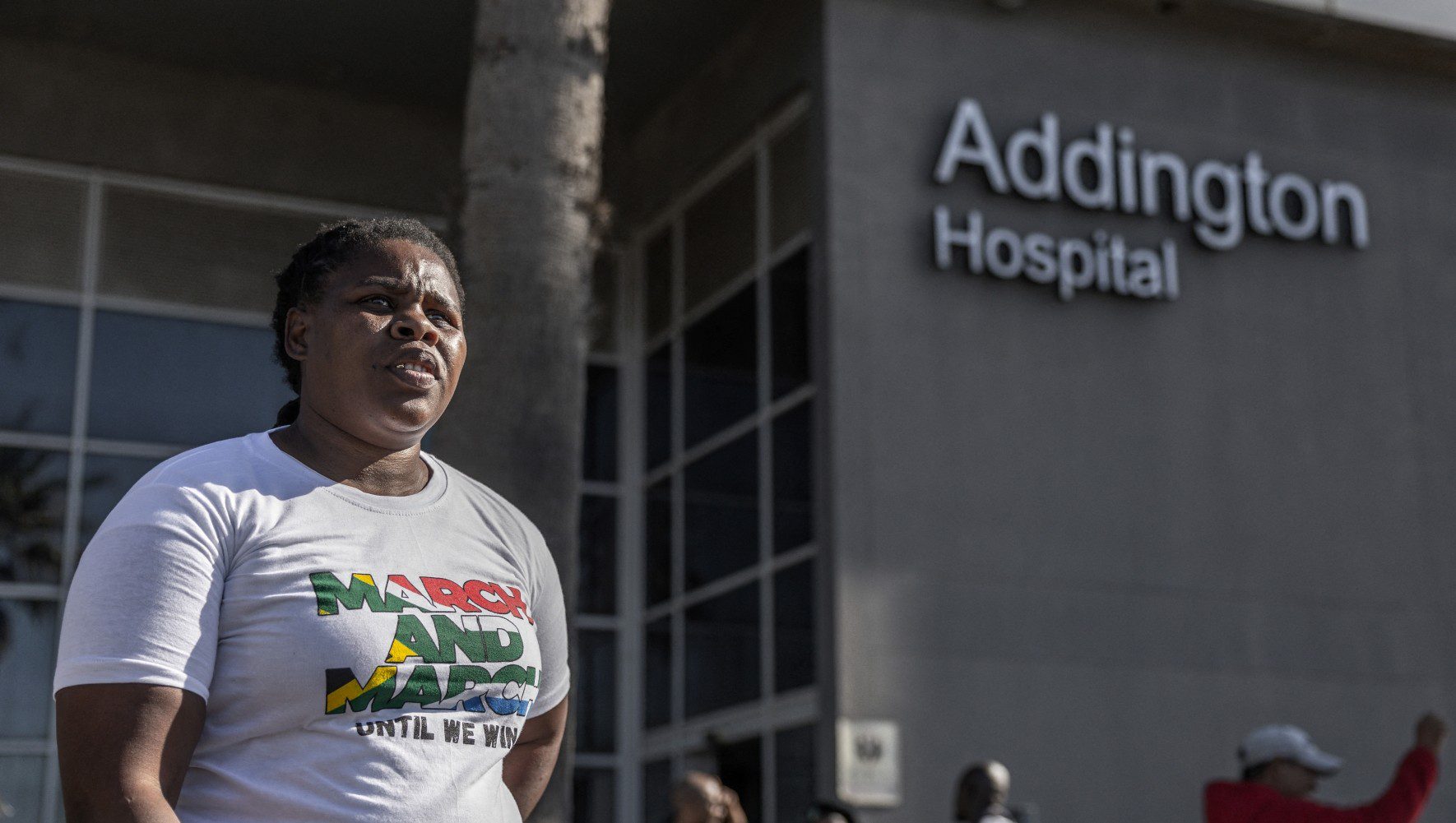
Medical Xenophobia in South Africa and Around the World
Read MoreHIAS continues to advocate for the rights of refugees and displaced people in South Africa and work with partners to deliver essential aid to those who need it most.
“The work of HIAS South Africa is motivated by our Jewish values of Tzedek, justice, and Tikkun Olam or repairing the world,” said Alana. “The Torah commands us to love and protect the stranger thirty-six times — more than any other commandment. Not because it is easy. But because we, as a Jewish organization, know what it is to be the stranger. This is not ancient history for us; it’s the stories of our great-grandparents seeking safety and refuge from persecution.”
No matter what happens on July 1, HIAS South Africa will always stand with refugees, asylum seekers, and displaced people.
“If we fail to take a stand against xenophobia, South Africa’s fragile social cohesion will become a tinderbox which the smallest spark could set ablaze,” Alana said. “That tinderbox is already burning. And what happens next depends on whether people choose to act.”
Your support matters
Your donation will empower HIAS to provide life-saving humanitarian assistance to refugees and displaced people where and when it’s needed most.