For 45 years, HIAS Austria has quietly stood at the center of modern refugee history — a vital crossroads where people fleeing persecution took their first steps toward safety, dignity, and new lives. Today, that chapter is being forcibly closed.
As a result of decisions by the Trump administration to halt the U.S. Refugee Admissions Program (USRAP) and terminate the U.S. State Department grant that funded the Resettlement Support Center (RSC) in Austria, HIAS Austria no longer exists as an entity. The closure marks the loss of one of the most consequential refugee processing hubs in the world — and the severing of a lifeline for thousands of people fleeing religious persecution, particularly Jews, Ba’hai, and other religious minorities from Iran, who are now stranded without a path to safety.
HIAS is devastated. But we are also resolute. The work that defined HIAS Austria will not end here.
Vienna: A Historic Crossroads for Refugees
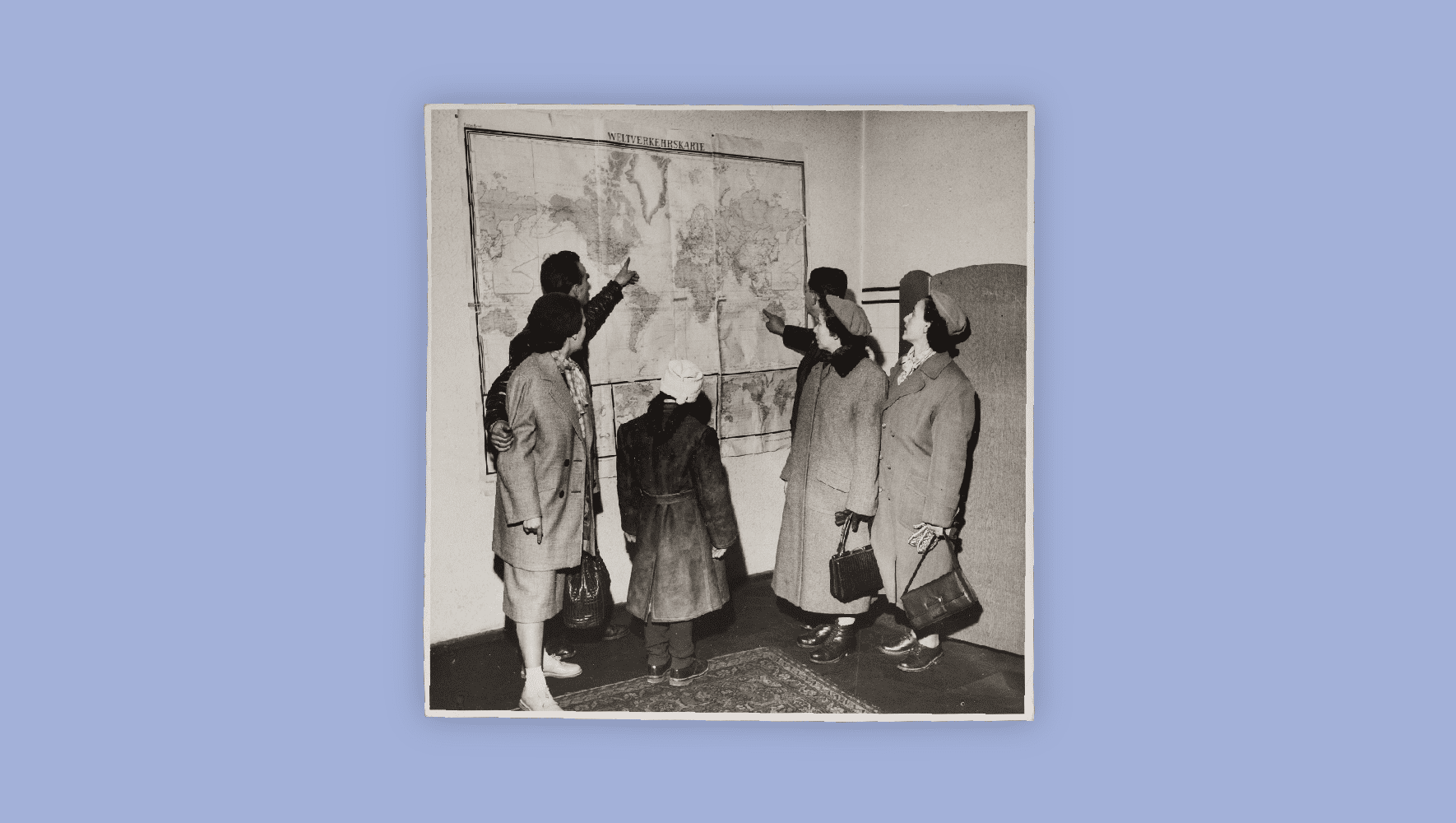
HIAS has operated in Vienna in various forms since the post–World War II era, when it helped evacuate displaced persons camps across Europe and resettle approximately 150,000 Holocaust survivors to more than 330 communities in the United States, Canada, Australia, South America, and later Israel.
Beginning in the late 1970s — and accelerating dramatically in the late 1980s — Vienna became the critical first stop in what came to be known as the “Vienna–Rome pipeline.” More than 400,000 Jews from the former Soviet Union passed through Vienna on their way to new homes across the globe. For those resettling to the United States, HIAS handled onward processing, case preparation, and coordination with U.S. authorities.
One of those refugees was Igor Chubaryov.
In January 1989, Chubaryov arrived in Vienna as a 24-year-old stateless refugee after fleeing the Soviet Union, where he had endured years of antisemitic harassment, violence, and repression. With no legal status and no clear path forward, he was met at the airport by a HIAS staff member.
“If not for HIAS, it would have been extremely difficult for me,” Chubaryov recalls. “I don’t know if I would have been able to successfully obtain refugee status. How would I know where to go, who to present my case to?”
That encounter changed the course of his life — and, in time, the lives of thousands of others.
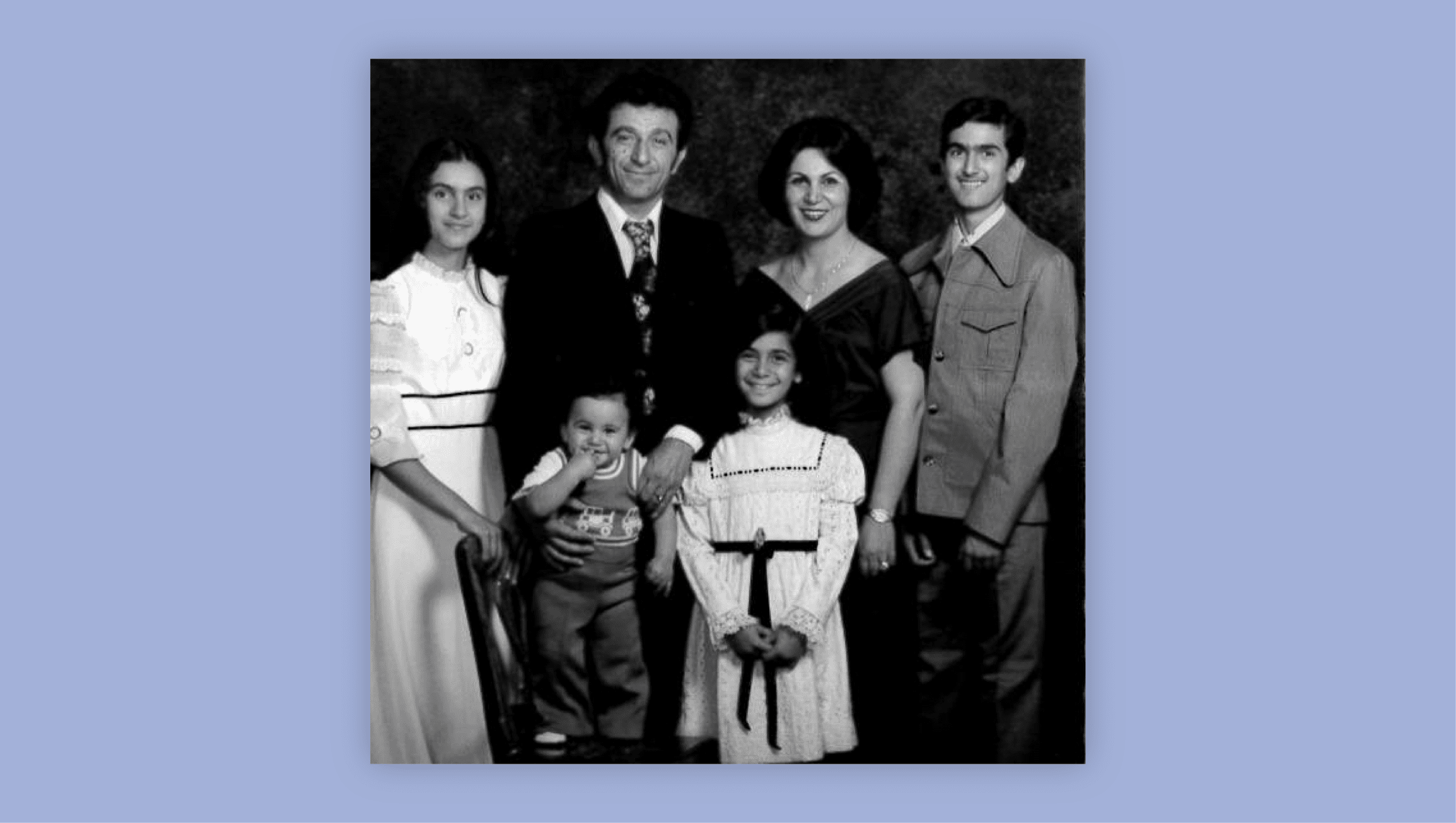
The HIAS office in Austria has been a lifeline for religious minorities in Iran, including this Jewish family who immigrated to American from Iran just weeks before the fall of the Shah in 1979. (HIAS)
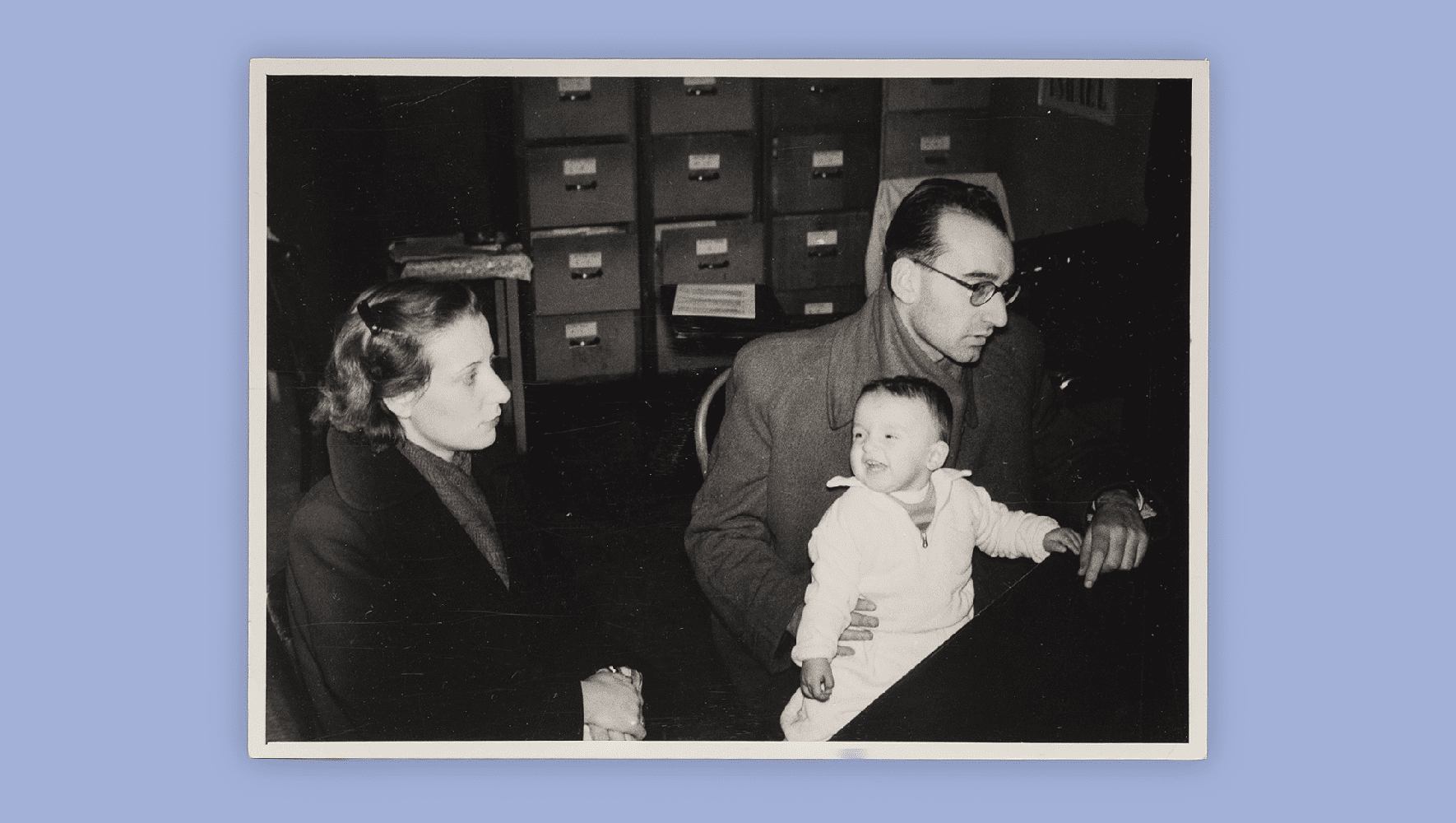
The Solti family registers at the HIAS office in Vienna. Their destination is New York, where they have relatives. (HIAS)
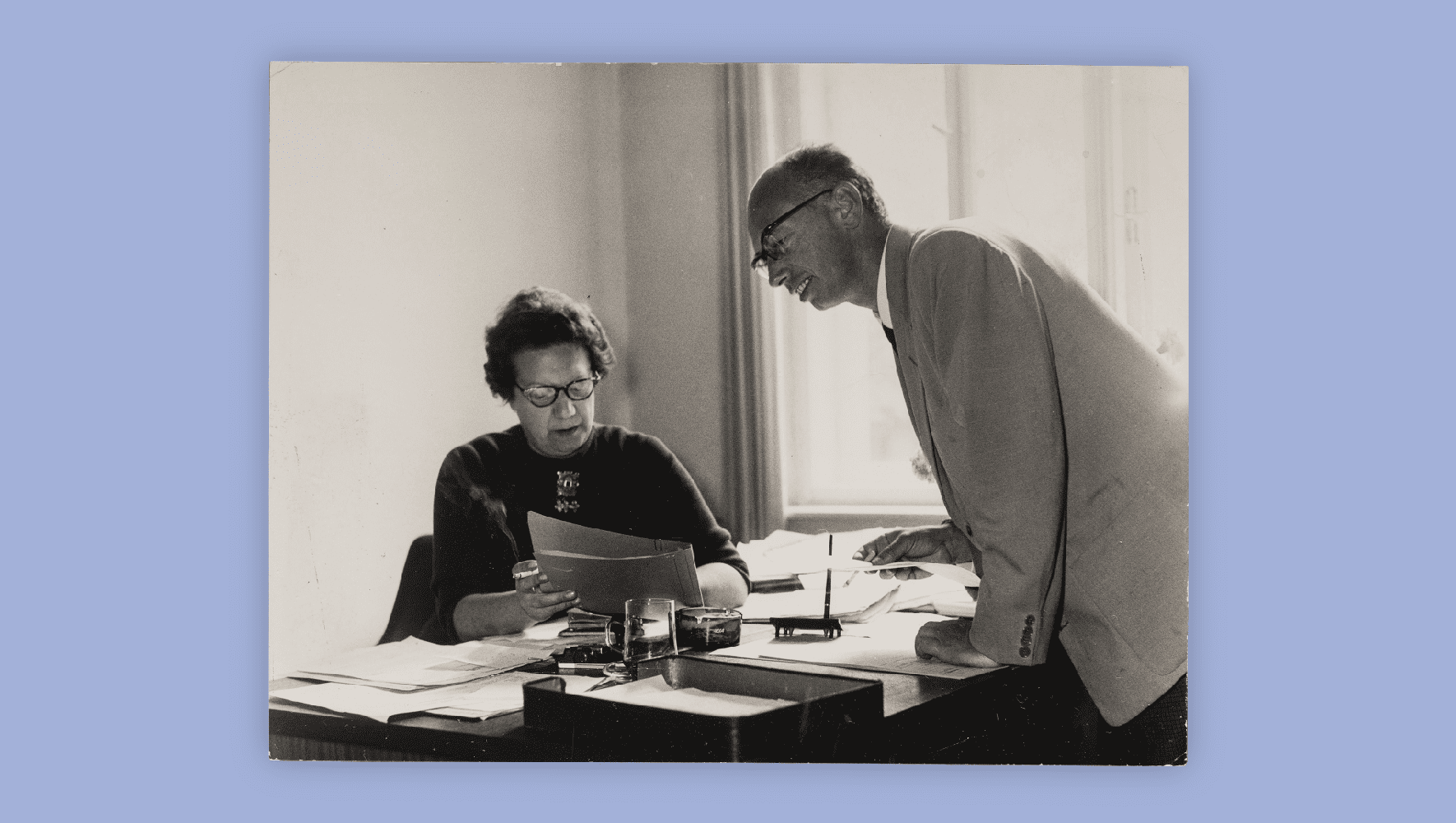
Director of the HIAS Vienna office (left) checks a case file with a Czech client who also filled in as receptionist and interpreter during his processing period. (HIAS)
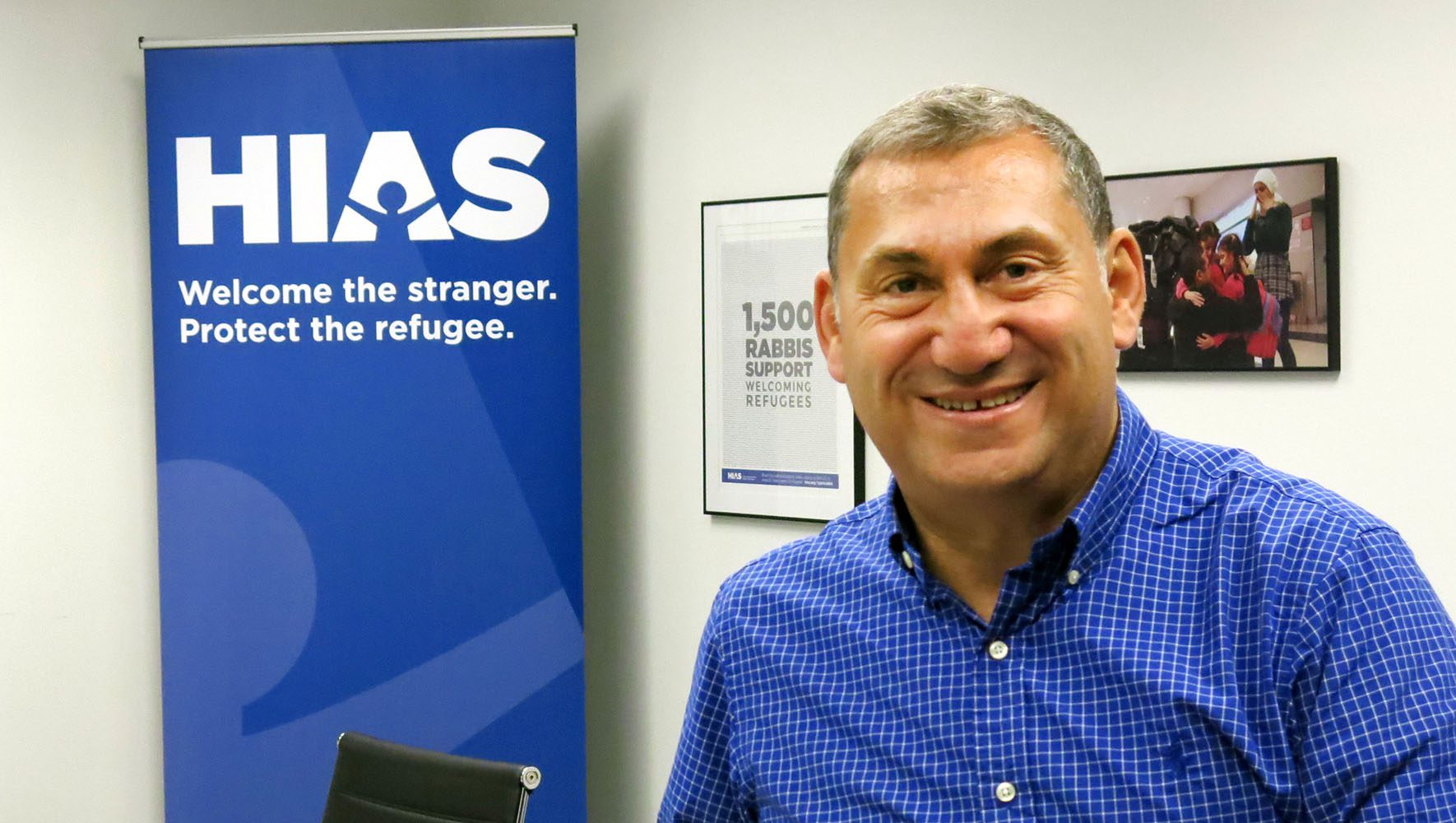
Igor Chubaryov, HIAS staff member of 35 years, was one of many refugees who arrived, stateless, in Vienna after the fall of the former Soviet Union. (HIAS)
From Refuge to Resettlement Engine
In its modern form, HIAS Austria became a U.S.-funded Resettlement Support Center (RSC) in 2000, operating under contract with the U.S. State Department’s Bureau of Population, Refugees, and Migration (PRM). One of nine RSCs worldwide, RSC Austria focused on two primary populations: religious minorities from Iran and vulnerable asylum seekers in Israel.
From offices in Vienna and linked sub-offices, HIAS staff carried out the complex, painstaking work of refugee resettlement: receiving applications, preparing documentation, coordinating U.S. government interviews, arranging medical exams, delivering cultural orientation, and managing placement paperwork for refugees bound for the United States.
Between 2001 and 2025, HIAS resettled more than 33,000 people from Iranian religious minority communities — including Jews, Christians, Baha’i, Zoroastrians, and Sabean Mandaeans — to the United States through RSC Austria and its suboffice. Many more passed through Vienna in earlier decades, long before the RSC structure formally existed.
This work was rooted in the Lautenberg Amendment, first enacted in 1990 to create a pathway to safety for Jews from the former Soviet Union and later expanded to include persecuted religious minorities from Iran. For decades, this program enabled families separated by persecution to reunite and rebuild their lives in safety.
Between 2001 and 2025, HIAS resettled more than 33,000 people from Iranian religious minority communities — including Jews, Christians, Baha’i, Zoroastrians, and Sabean Mandaeans — to the United States through RSC Austria and its suboffice.
Bearing Witness on the Ground
Those who led and staffed HIAS Austria bore daily witness to the consequences of religious persecution — especially for Iranian religious minorities who arrived after years of surveillance, discrimination, and fear. Many families came having already endured prolonged separation from loved ones in the United States, sustained by the hope that resettlement would offer safety and reunification.
As the RSC Director observed: “Over the years, I have watched thousands of Iranian religious minorities come through our doors carrying an unbearable mix of fear and hope. These were people who had already endured years of systemic discrimination and persecution simply for who they are and what they believe — Jews, Baha’i, Christians, Zoroastrians, Sabean Mandaeans — families who knew that staying in Iran meant continued danger, but who also knew that leaving might be their only chance at living a life free of fear.
For many, our office was a lifeline. To see that lifeline cut — to know that thousands of people who did everything asked of them are now stranded, with no clear path forward — is devastating.
Every file represented a family, a parent trying to protect a child, someone hoping to reunite with loved ones in the United States they had not seen for years. Closing this program does not erase that reality. It simply leaves people in danger, waiting, and forgotten.”
As HIAS Austria closes, that responsibility to bear witness endures — to speak clearly about what is being lost, and about the people whose lives remain suspended as a result.
A Closure with Devastating Consequences
By ending the program that enabled Iranian religious minorities to resettle in the United States, the Trump administration has cut off a critical escape route for people fleeing religious persecution. Nearly 15,000 Iranian religious minorities — people already vetted, documented, and waiting — are stranded in Iran, unable to reunite with family members who sponsored them to come to the United States. Several hundred Eritreans and other vulnerable asylum seekers in Israel have likewise lost their pathway to safety.
This mean that despite the Trump Administration’s claims to prioritize people experiencing religious persecution, not a single religious minority has entered the United States through the Lautenberg program since President Trump halted refugee resettlement on his first day in office.
Nearly 15,000 Iranian religious minorities — people already vetted, documented, and waiting — are stranded in Iran, unable to reunite with family members who sponsored them to come to the United States.
What Endures — and What Comes Next
The closure of HIAS Austria represents an enormous loss — to refugees, to the Jewish community, and to the moral leadership the United States once showed the world.
But it does not mark the end of HIAS’ commitment.
HIAS will never stop fighting for the resumption of the Lautenberg program so that people persecuted because of their faith can find the safety they need and deserve. Iranian religious minorities remain a priority in our advocacy, and we continue to press Congress and the administration to reopen lawful pathways to protection.
Today, Igor Chubaryov — the young man once met by HIAS at a Viennese airport — is HIAS’ longest-tenured employee. In the 35 years that he has been at HIAS, he has welcomed thousands of refugees and asylum seekers with warmth and compassion.
“Sometimes people feel better if you tell them, listen, I went through this myself,” he said. “One thing I can say about my job — it’s very rewarding.”
For 45 years, HIAS Austria helped turn fear into safety and exile into belonging. Its doors may be closed, but its legacy, and our fight, remains. We will continue to advocate for all those now stranded to have a pathway to safety. The U.S. government has abandoned refugees, but HIAS never will.
Give today
As the world's oldest refugee agency, HIAS will always stand for refugees — no matter who is president. And we will do all we can to support our clients, every day, as we have for more than 120 years. Give with confidence to HIAS.