HIAS is devastated to announce that the Trump administration has ended the lifesaving pathway for Iranian religious minorities to reunite with friends and family members in the United States, abandoning thousands of Iranian Jews, Baha’i, and other religious minorities who were counting on this promise of safety.
As part of this decision, the administration has shuttered the Resettlement Support Center in Austria (RSC Austria), which HIAS managed for more than 25 years in partnership with the U.S. State Department. The closure of RSC Austria leaves more than 14,000 people experiencing religious discrimination and persecution stranded in Iran with no way to reunite with friends and family members who sponsored them to come to the United States. The Trump administration also closed a suboffice in Croatia that also assisted Iranian religious minorities and a sub-office in Israel that resettled Eritrean asylum seekers in Israel.
The decision to close the program leaves Iranian religious minorities in grave danger. Already, not one person had been allowed to enter through the Lautenberg program since President Trump paused the refugee resettlement program on his first day in office.
“This decision leaves thousands of families in danger, with no pathway to safety,” said Beth Oppenheim, HIAS CEO. “We are angry, but we will not lose faith. We will continue our fierce advocacy for the vulnerable people who are now stranded. For generations, the United States has stood as a beacon for those fleeing religious oppression, and we will fight to preserve that legacy.”
Since the opening of RSC Austria in 2000, more than 33,000 people from Iranian religious minority communities— Jews, Christians, Baha’i, Zoroastrians, and Sabean Mandaeans—were resettled to the United States.
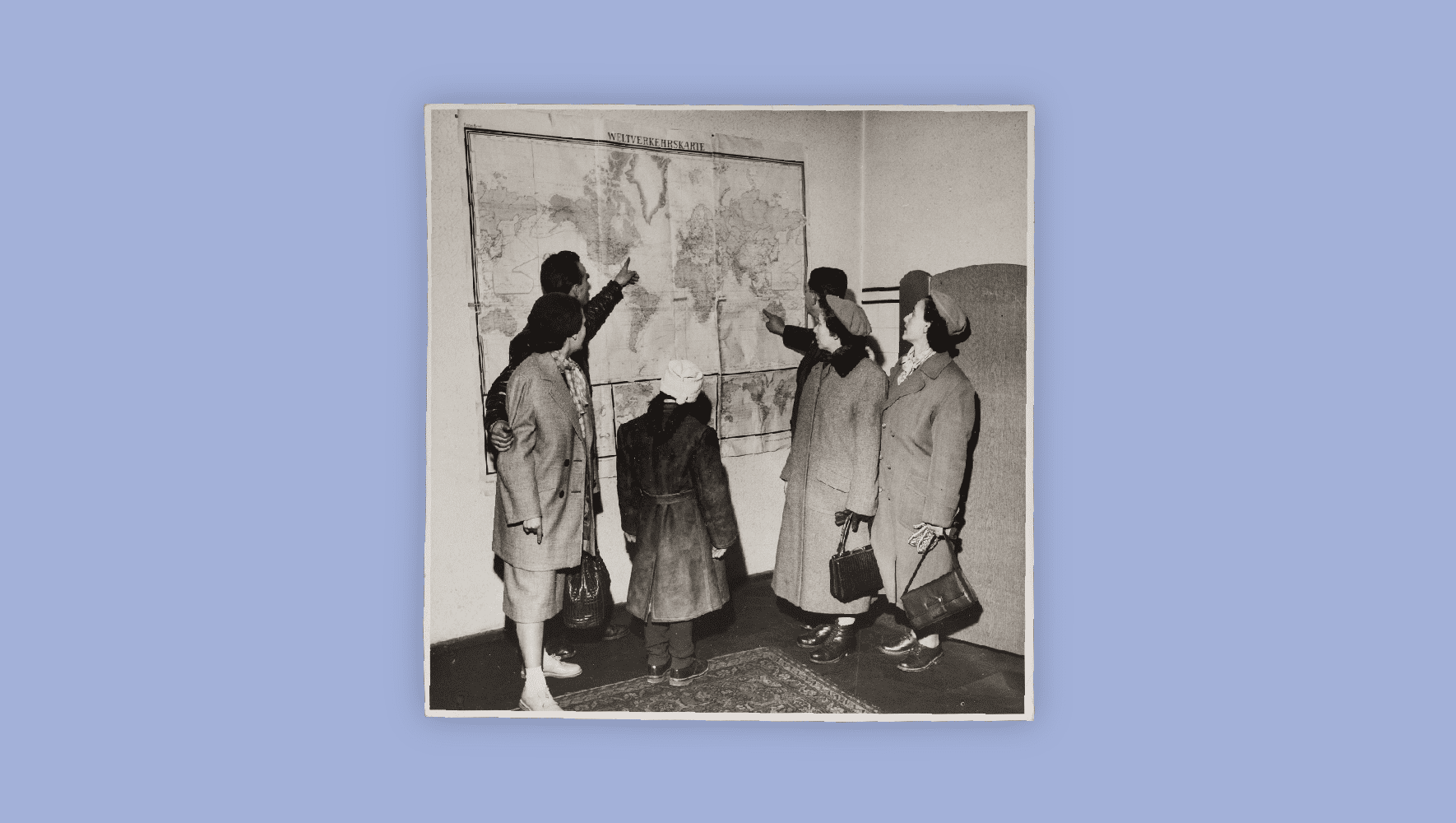
HIAS’ office in Vienna played a monumental role in the history of our organization and the Jewish community. Opened in 1945, it was the gateway for resettling hundreds of thousands of refugees from the Displaced Persons camps in postwar Europe, the 1956 Hungarian revolution, as well as Jews from the USSR.
“If your family arrived in the post-war period, or through the Soviet Jewry movement, HIAS’ office in Vienna may have been their gateway to the United States,” said Oppenheim, “HIAS’ history is Jewish history, and as we move into the future we are all writing the next chapter together.”
Despite this news, HIAS continues to provide support and assistance to tens of thousands of refugees and asylum seekers around the world. We are at the forefront of responding to the Trump administration’s attacks on refugees and immigrants, and are developing new partnerships, initiatives, and ways of working to meet the unprecedented needs of this moment. The U.S. government has abandoned refugees, but HIAS never will.
For press inquiries, contact media@hias.org.