Healthcare is a basic human right. Yet, many people struggle to access lifesaving and medically necessary treatment. In South Africa and around the world, growing xenophobia is leading to the denial of medical treatment for refugees, displaced people, and migrants.
Traditionally, medical xenophobia has referred to the discrimination that medical professionals and institutions may exhibit towards non-citizens. However, medical xenophobia has grown to include prejudice by everyday citizens towards refugees and migrants in healthcare settings.
Medical xenophobia can look like doctors or nurses treating refugees with disdain or providing substandard care. It can also look like people blocking the entrances to hospitals, denying migrants access to medical treatment. And medical xenophobia can look like mis- and disinformation online to spread fear to displaced people that they will be deported or detained if they seek medical attention.
How does medical xenophobia harm refugees and migrants in South Africa and around the world, and what can we do to combat it? Read on to find out.
Your support matters
Your donation will empower HIAS to provide life-saving humanitarian assistance to refugees and displaced people where and when it’s needed most.
Medical Xenophobia in South Africa
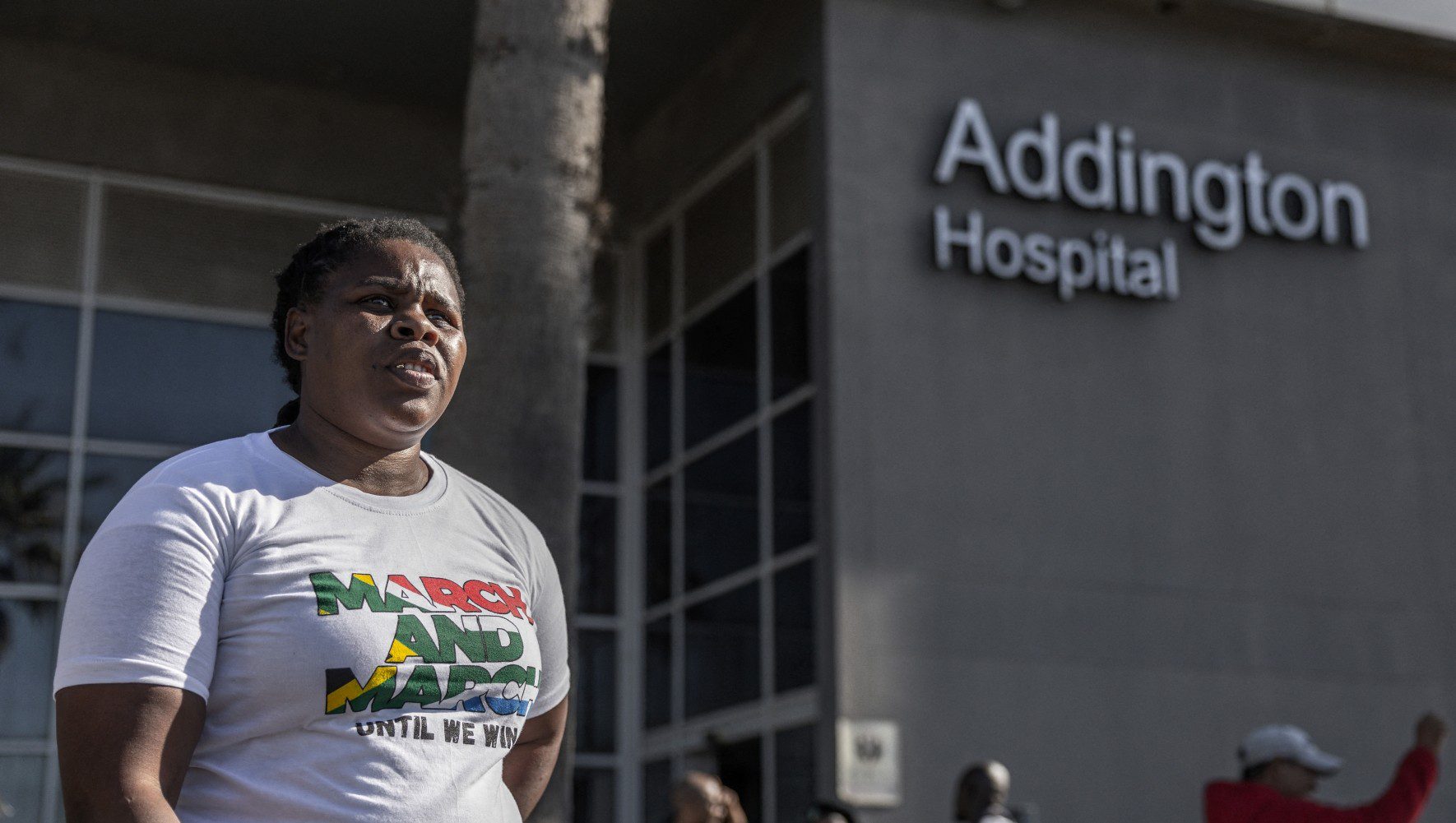
For many years, and accelerating in 2025, several civilian groups have begun stationing themselves outside hospitals, clinics, and primary healthcare offices to deny entrance to anyone they deem non-South African. Even though access to healthcare is a right enshrined in the South African constitution, including for refugees and migrants, vigilante groups such as Operation Dudula and March for March are working to deny medical care to refugees and immigrants.
According to the Scalabrini Centre of Cape Town, migrants make up only four percent of South Africa’s population. While there are major challenges within South Africa’s healthcare system, including staff shortages, underfunding of healthcare facilities, and socio-economic inequality, none of these systemic issues will be solved by denying refugees and migrants medical assistance.
When people are unable to access timely and appropriate healthcare, they are at greater risk of developing preventable complications and experiencing worsening health outcomes. This often results in the need for more intensive and expensive medical interventions, placing additional financial and resource burdens on healthcare systems over time.
Refugees and Migrants Denied Vital Healthcare
The results of this discrimination are heartbreaking. Pregnant people, people living with HIV, diabetes, and other chronic medical conditions are being turned away from hospitals and clinics for routine appointments and emergency care.
Refugees and asylum seekers that HIAS and our partners serve have also been denied care. Claudine, a refugee from Burundi, was denied entrance to a clinic to treat her diabetes. Lailia, a permanent resident from the Democratic Republic of Congo, was blocked from picking up medication for her autistic son, a South African citizen. Console, an asylum seeker from Burundi with documentation, was denied access to a hospital to seek treatment.
Fortunately, the South African Supreme Court recently reaffirmed that healthcare for refugees and migrants is enshrined in the South African Constitution. The Court also urged South African authorities to act against vigilante groups participating in medical xenophobia. HIAS calls on local and national authorities to take strong action against any groups illegally blocking refugees and migrants from medical care, and to protect access to healthcare for all who live in South Africa.
Refugees in South Africa: What You Need to Know
Read MoreMedical Xenophobia Around the World
Sadly, medical xenophobia is a global problem, not just in South Africa. In Nairobi, Kenya, urban migrants encounter distinct challenges in accessing healthcare, including real or perceived discrimination, which fuels medical xenophobia and social exclusion. In Europe, refugees and migrants report widespread discrimination in healthcare settings, including in Greece and the United Kingdom.
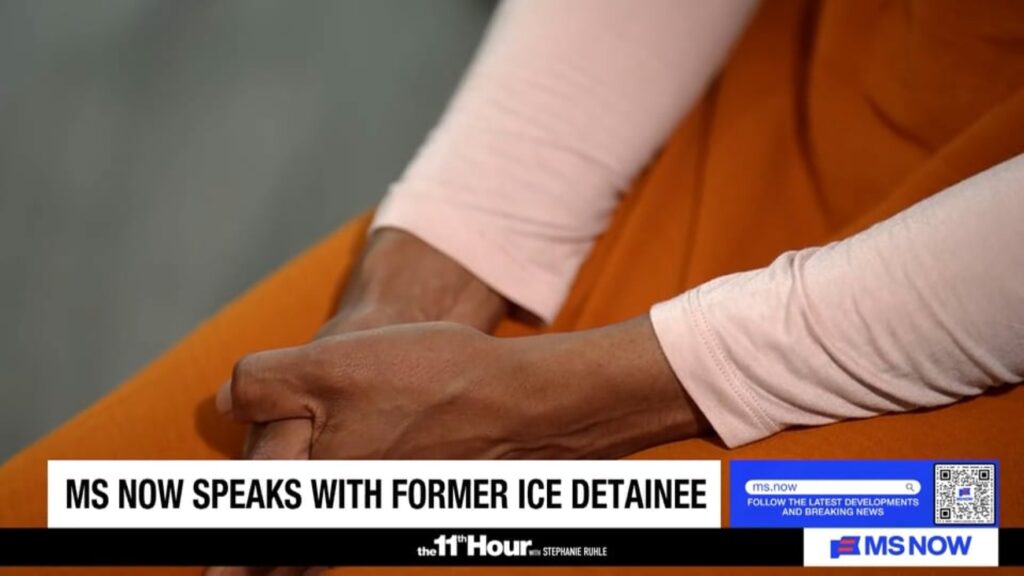
In the United States, asylum seekers and migrants are skipping medical treatment out of fear of being detained or deported at hospitals and clinics. People with chronic conditions and cancer are avoiding medical institutions and putting their health at risk.
How to Help
What can we do to stop medical xenophobia and all forms of hatred from harming refugees, asylum seekers, and migrants?
- Educate Yourself: Take time to learn about new cultures and customs. Familiarize yourself with the human rights and medical needs of refugees, asylum seekers, and migrants in your local area.
- Recognize Your Internal Biases: Everyone has biases we learn from society as we grow up. Confront your own biases and keep an open mind about other people’s experiences and backgrounds.
- Challenge Hate Speech: When you hear xenophobic comments, speak up. Have discussions with friends and family to remind them that belittling others does not solve their problems or make them safer. Remind your networks that everyone deserves access to healthcare, regardless of their legal status.
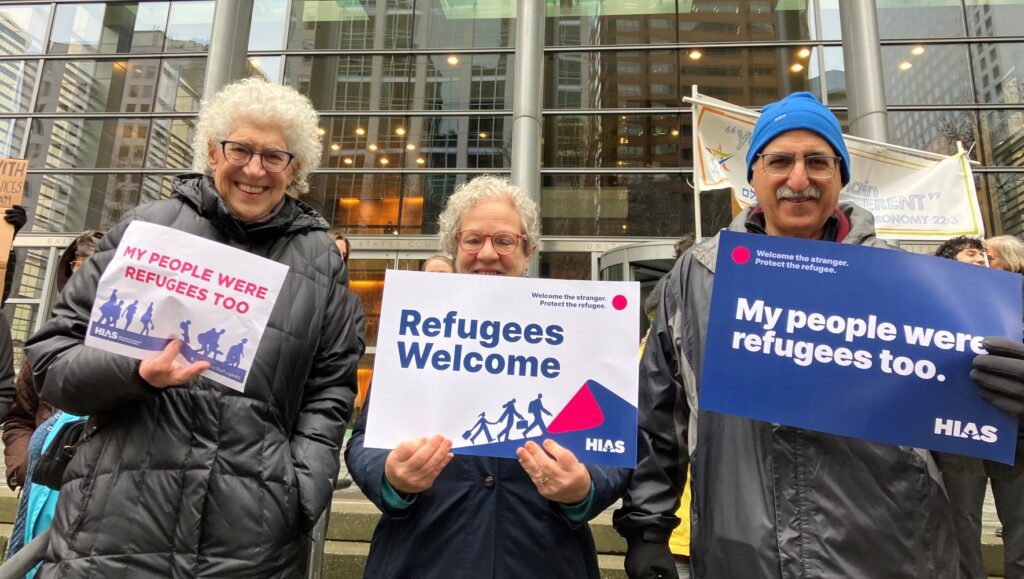
- Offer a Helping Hand: Welcome immigrants and displaced people in your community. Volunteer with HIAS or a local refugee organization or get involved with immigrant support networks.
- Donate: Support HIAS or other refugee and immigrant organizations working to combat xenophobia and welcome newcomers.
Your support matters
Your donation will empower HIAS to provide life-saving humanitarian assistance to refugees and displaced people where and when it’s needed most.