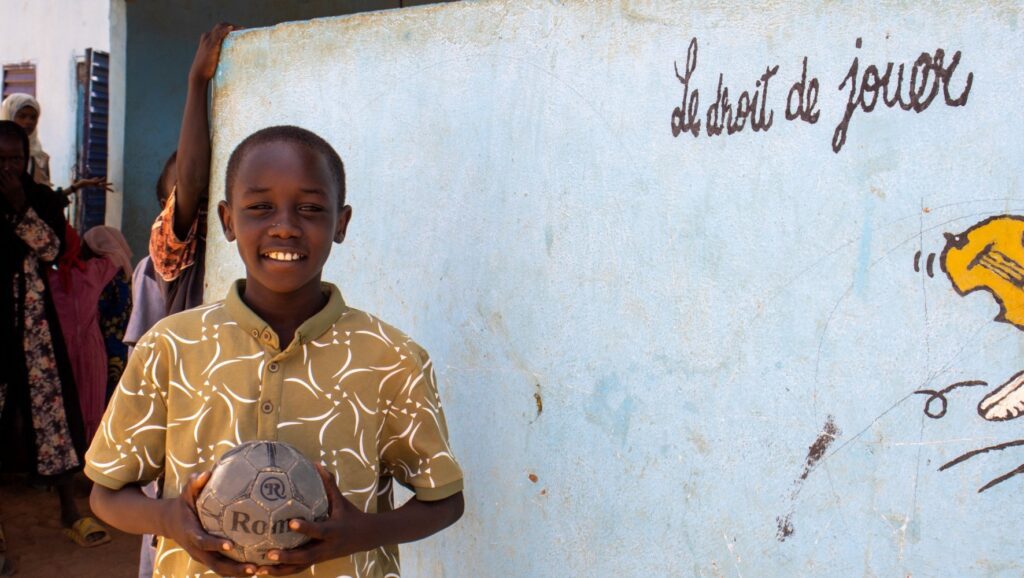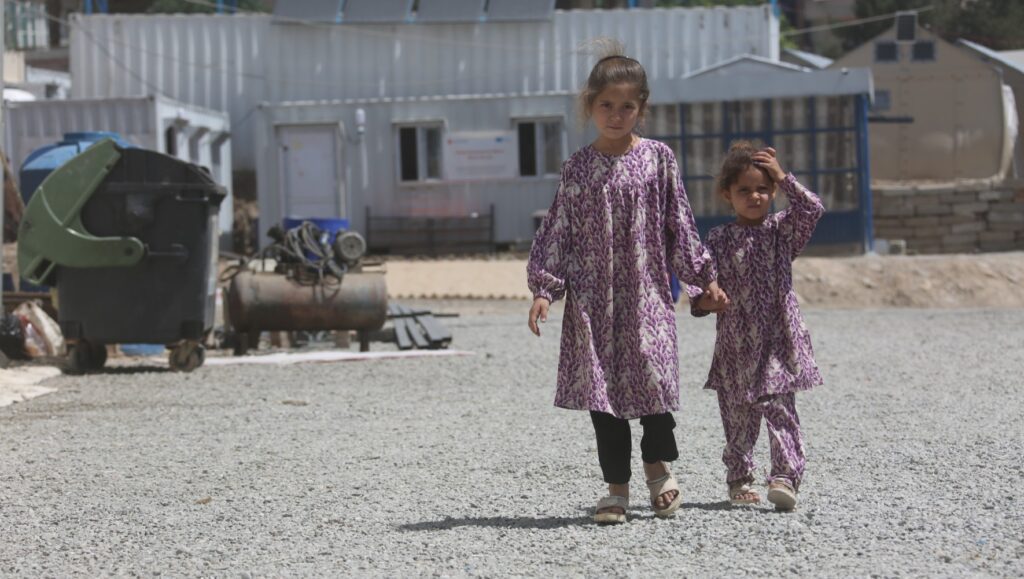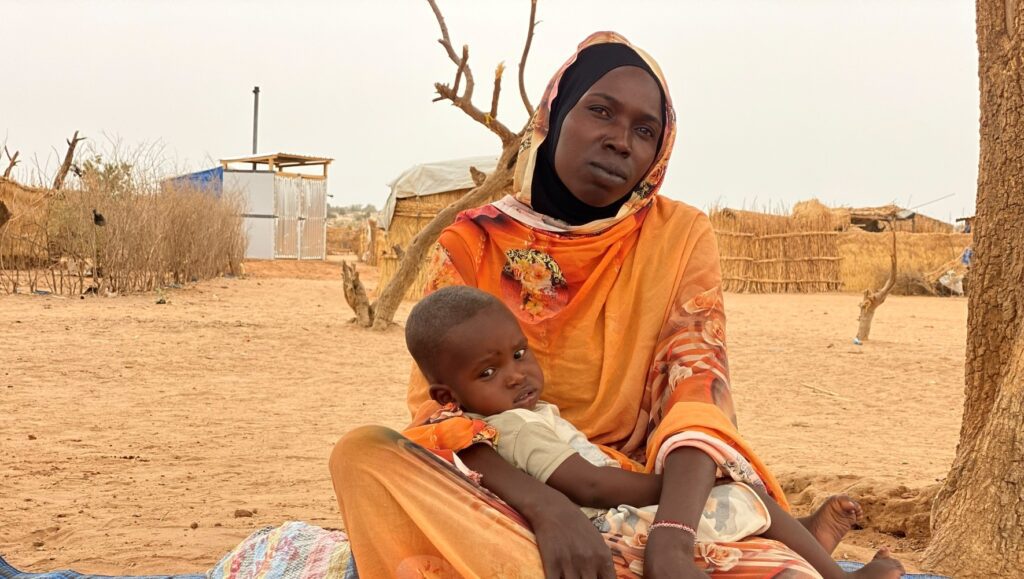
Three years into the civil war in Sudan, 14 million people have been displaced both within the country and to its neighboring countries—including Chad. Today, Chad hosts 1.8 million displaced people, the majority of whom have arrived since the conflict in Sudan began, placing immense pressure on communities that were already managing scarce resources.
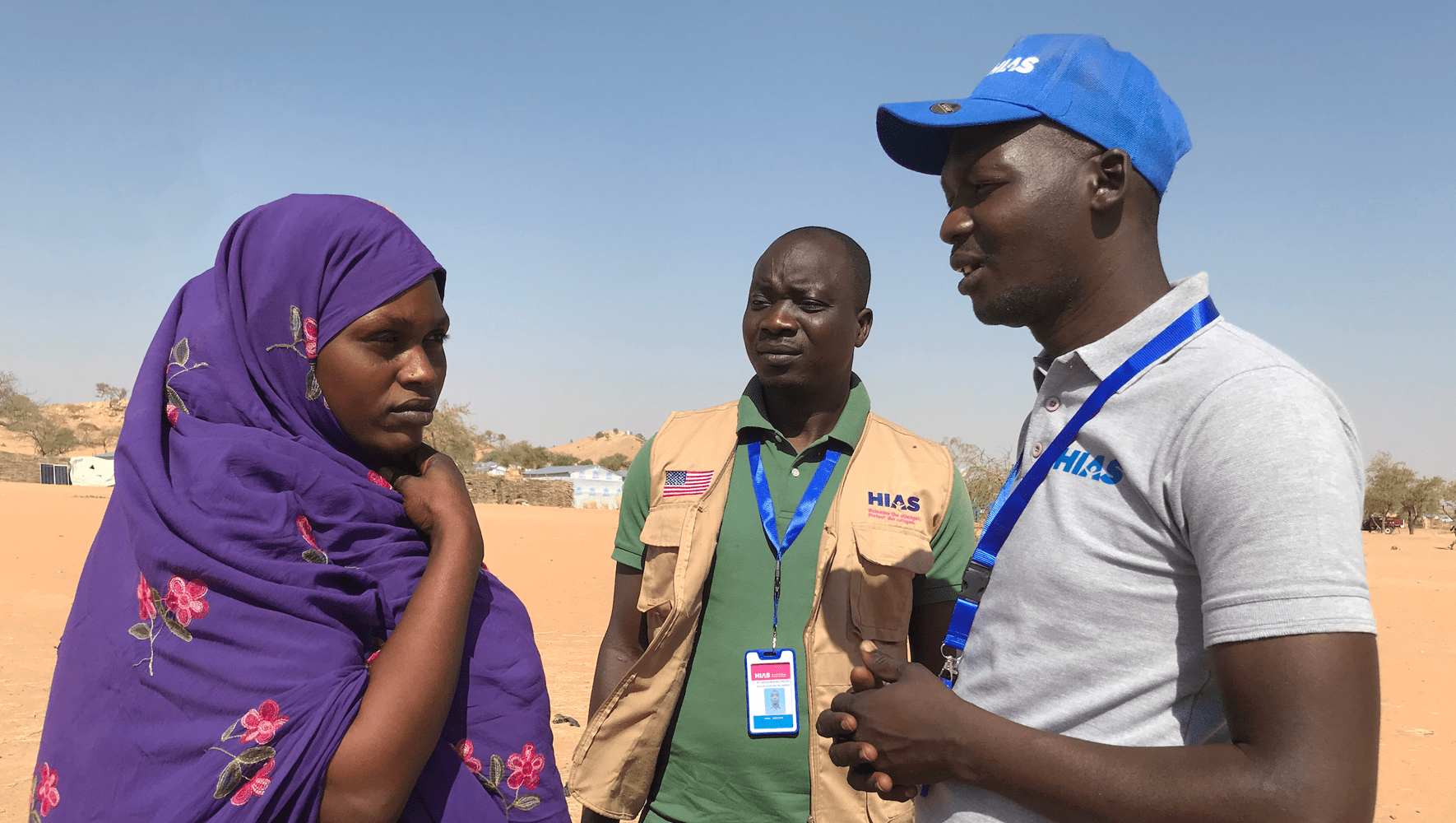
HIAS has worked in Chad for more than two decades, providing vital support to refugees, internally displaced people, and host communities in camps along the eastern border with Sudan. As the war fuels what has become the world’s largest displacement crisis, the demand for assistance grows daily. Severe cuts to U.S. and European humanitarian funding over the past year have further strained an already overstretched system, leaving refugees increasingly vulnerable to hunger, disease, and violence.
Yet even amid these challenges, Sudanese refugees remain determined to rebuild their lives. With support from HIAS Chad, many are beginning to recover from the trauma of war and construct livelihoods to support their families.
Your support matters
Your donation will empower HIAS to provide life-saving humanitarian assistance to refugees and displaced people where and when it’s needed most.
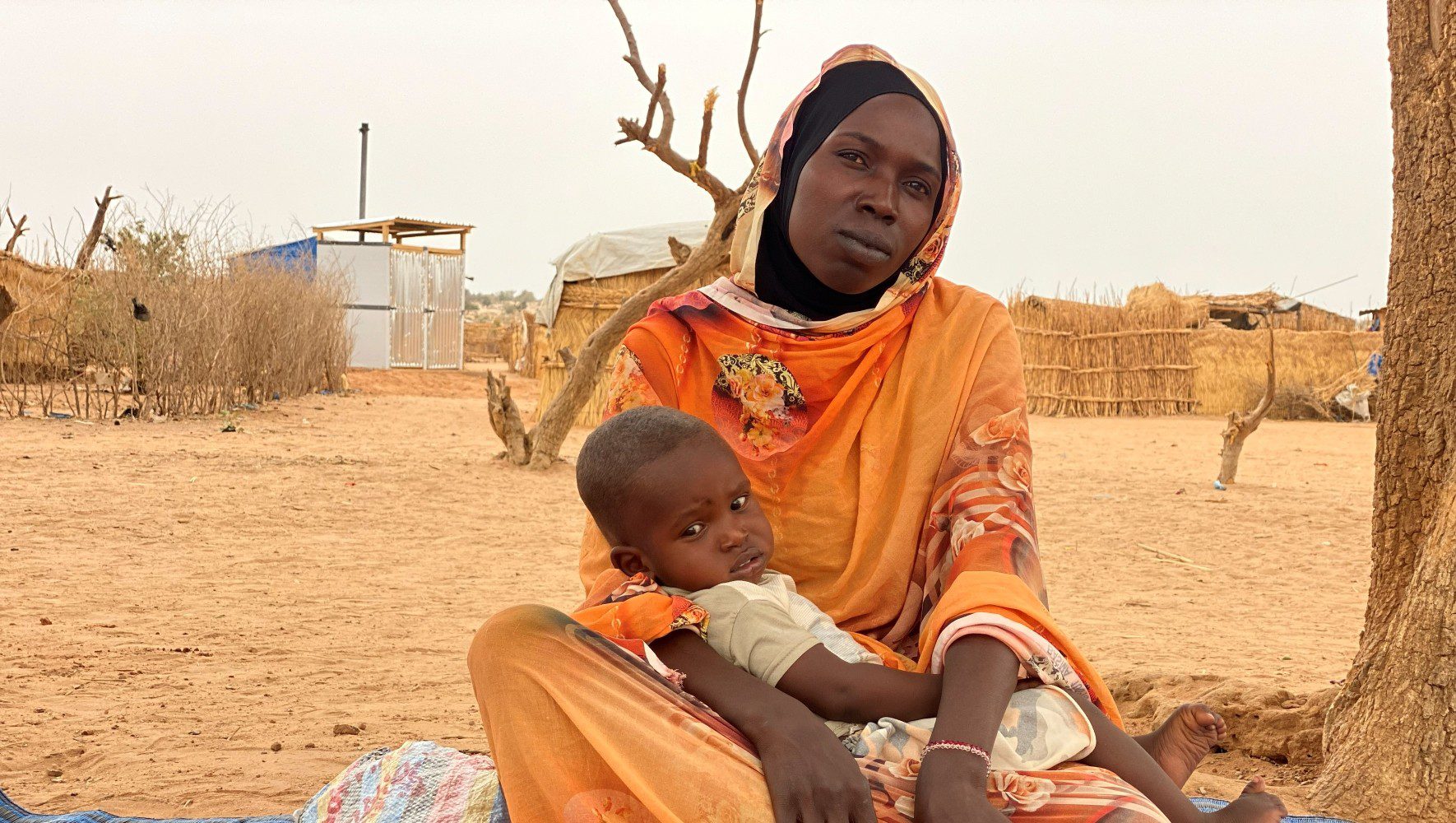
Fatna, a mother of eight living in the Aboutengué camp, was living in fear and poverty before getting in touch with HIAS.
“Before, to feed my children, I sold bundles of firewood,” Fatna said. “I had to walk for miles, sometimes far from the camp, exposing myself to attacks, harassment, and even the risk of rape. Every trip was dangerous, every day a source of worry.”
Thanks to the economic assistance of HIAS, funded by the German Federal Foreign Office (GFFO), Fatna was able to start her own business selling crops that she now grows herself. She has even expanded to sell vegetables in three nearby camps.
“I can now provide for my children without risking my life,” Fatna shared. “By saving some of the assistance I received, I was able to plant this season. The harvest was good, proof that my strategy is working, and I am very proud of it. My home is more stable, my children are eating better, and I have regained my dignity.”
In addition to helping her build her business, HIAS also provides protection services to Fatna and the women in her community to prevent violence against women and girls.
“I am deeply grateful to HIAS for this assistance, but also for the regular follow-up and constant support,” Fatna said. “Today, I am ready to get more involved in my community, to raise awareness among other women and direct them to services.”
I am deeply grateful to HIAS for this assistance, but also for the regular follow-up and constant support. Today, I am ready to get more involved in my community, to raise awareness among other women and direct them to services.Fatna, a Sudanese refugee and HIAS program participant
Like Fatna, Zam-Zam, is a mother trying to care for her children. Zam-Zam first arrived in Chad after the initial violence in Darfur, Sudan over twenty years ago, which claimed the life of her husband. Now she has six children to take care of, including a daughter with a disability who has difficulty walking.
“When I arrived at the Farchana camp in 2004, my situation was extremely difficult,” said Zam-Zam. “I was mentally devastated, without the resources to provide for my children’s basic needs.”
With her meager savings, Zam-Zam was able to start a business selling goods at the camp market. Eventually, she learned about HIAS from other refugee women in her community who have received services. HIAS provided economic assistance to Zam-Zam to expand her business, funded by GFFO. Now she can travel more regularly between camps to diversify which products she can offer and stock up on dried foods that she can resell later.
“Since that day, my life has changed. Thanks to this business, I can provide for my children, who have enough to eat, [they can] attend school, and receive the basic healthcare they need,” Zam-Zam shared. “With my income [from my business], I can even support my relatives when they face social difficulties.”
Refugees in Chad: What You Need to Know
Read MoreAcross the world, HIAS knows that offering small amounts of economic assistance pays dividends in supporting refugees as they earn sustainable income that they then invest back into their communities. We help refugees get back on their feet by providing seed capital, vocational training, and financial literacy programs.
“For Sudanese refugees in Chad, economic empowerment and protection are inseparable,” said Anitha Niyongir, HIAS Chad’s Protection Manager. “When individuals, especially women and girls, have access to safe livelihoods and opportunities alongside protection services, they are better equipped to resist exploitation, reduce harmful coping mechanisms, and reclaim control over their lives.”
No matter what, HIAS Chad is committed to helping refugees recover from decades of brutal fighting in Sudan.
“I am grateful to HIAS for its continued support of women and children in the community,” Zam-Zam said. “We pray that more funding will be made available to continue supporting the most vulnerable.”
Your support matters
Your donation will empower HIAS to provide life-saving humanitarian assistance to refugees and displaced people where and when it’s needed most.