Fon remembers what it felt like to keep moving, even when his body was exhausted, and his future was uncertain.
By the time he reached the United States, he had crossed 13 countries on foot to reach safety (as well as the notoriously treacherous Darién Gap). He was living with a disability and relied on a wheelchair and crutches to get through each day. Like so many displaced people, he carried trauma from what he survived, grief for what he lost, and fear of what could still happen next.
“The pain in my country was scarier than the Darién Gap. On my way to the U.S. I was conscious I could die on the journey,” Fon said “I didn’t come to the U.S. looking for a new life. I came looking for safety.”
When he arrived in 2023, Fon began the long process of seeking protection. The following year, he received asylum, a life-changing milestone that meant he could stay in the U.S. without being forced back to danger. But like many people who reach safety after years of uncertainty, Fon quickly learned that legal status is only the beginning.
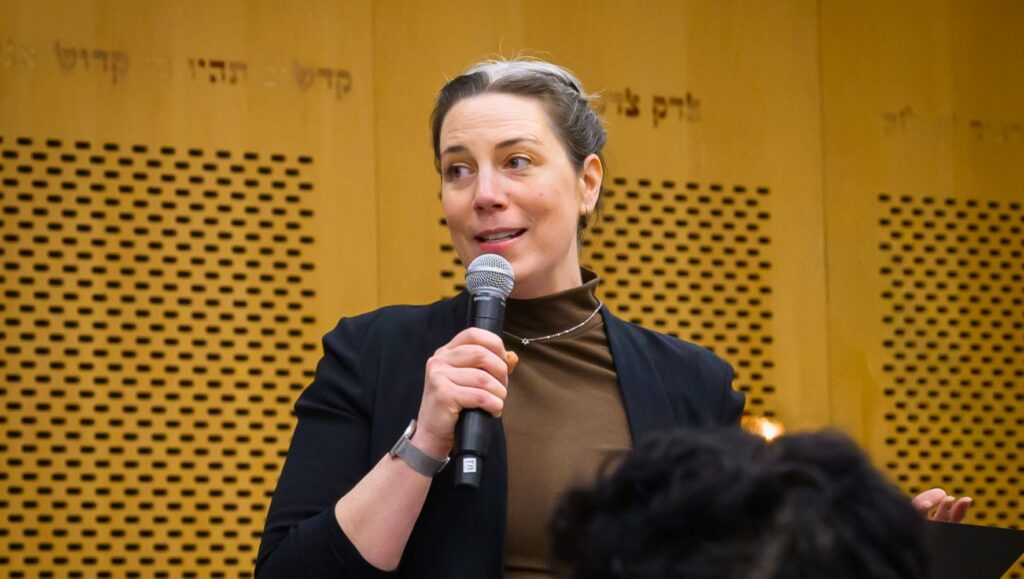
“Rebuilding a life in the U.S. often means navigating systems that are confusing even for citizens and nearly impossible when you are recovering from trauma, living with a disability, and separated from your family,” explained Beyenech Taye, Fon’s HIAS Clinical Case Manager.
Donate today
Now more than ever, your support is needed to help refugees and displaced people rebuild their lives.
Meanwhile, Fon’s wife and children were still in Cameroon. His wife, an activist advocating for the rights of people with disabilities, had been targeted for her work and was forced into hiding. HIAS’ legal team began working with Fon to petition for his wife and children to join him in the U.S., helping him take steps toward reunification.
For Fon, this was the part of the story that never left his mind: he had made it to safety, but his family had not. And as he waited and hoped for progress, life in the U.S. was getting harder.
Fon was referred to HIAS’ social services team due to financial and emotional stress as he worked to rebuild his life. He had become disconnected from refugee resettlement services and wasn’t sure how to access them again. In addition, his SNAP benefits had been reduced, and he was struggling to afford rent. An administrative error on his immigration documents prevented him from renewing his driver’s license or applying for health care.
Most urgently, Fon’s wheelchair needed a new battery and at a cost of several hundred dollars, he could not afford to replace it. Without it, getting to work became harder. Missing work meant losing income. Losing income meant falling behind on rent.
“This is the reality many asylees face: the moment protection is granted, the world expects you to be ‘fine.’ But the barriers don’t disappear, they multiply,” Beyenech said.
HIAS is known for providing legal services to people seeking asylum and protection. But what makes HIAS distinctive is that legal representation is not where support ends.
“For people like Fon, the greatest threats to safety often come from the gaps between systems: between immigration paperwork and healthcare access, between a work permit and stable housing, between surviving trauma and having the tools to keep going,” Beyenech explained.
For many people, the greatest threats to safety come from the gaps between systems.Beyenech Taye, HIAS Clinical Case Manager
Fon began working with HIAS’ social services team in July 2024. Together, they started addressing the crises that were putting his stability and his future at risk.
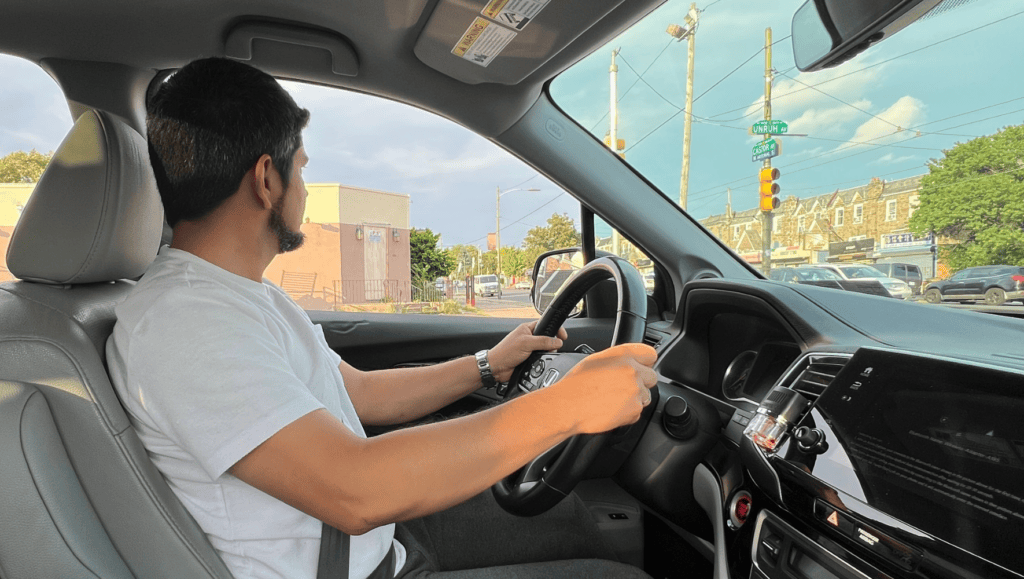
Beyenech worked closely with Fon to connect him to critical services. She provided resources for food and other basic needs, offered Lyft vouchers to help him get to appointments, and connected him to the ENDependence Center of Northern Virginia, a community resource and advocacy center for people with disabilities.
In collaboration with HIAS’ legal team, Beyenech advocated for Fon and guided him in resolving errors on his documents. Over time, Fon was able to correct his paperwork, obtain a state-issued ID card, and enroll in health insurance. With the support of HIAS, he applied for financial assistance to repair his wheelchair. In addition, HIAS’ Asylee Outreach Project Manager helped Fon reconnect with refugee resettlement services for employment support and renewing benefits.
“These steps may sound small. But for people navigating the immigration system, small steps can be the difference between stability and collapse,” Beyenech said.
When the System Shifts: How HIAS Supports Refugees and Asylum Seekers in the U.S.
Read MoreThen came the call Fon had been dreading: His wife was kidnapped in Cameroon.
Fon was already living under intense stress, trying to stay afloat in the U.S., navigate a system that felt stacked against him, and protect his children from a continent away. In that moment, HIAS connected him with a HIAS social work student who provided emotional support and helped him develop tools for managing fear, anxiety, and distress.
“Waiting for papers while taking care of my family back home was scary,” he recalled.
Fon’s story is personal. But it reflects what many refugees, asylum seekers, and asylees experience in the United States: a long journey that does not end with arrival or even with legal protection.
HIAS’ U.S. programs provide support that helps displaced people move from crisis toward stability. That includes immigration legal services, pro bono representation, case management, mental health support, and targeted programs that help families access housing, employment services, and benefits.
For Fon, that wraparound approach meant something simple, and profound: he did not have to navigate the hardest chapters of his life alone. It meant someone was there to help him fix a document error that threatened to derail his life. Someone was there to help him get to appointments. Someone was there to help him access healthcare. Someone was there to help him keep moving forward, even while his family was still in danger.
Getting [my family] here clears all my pain. Facing immigration challenges while having HIAS support me is a shoulder I won’t forget.Fon, asylee from Cameroon and HIAS program participant
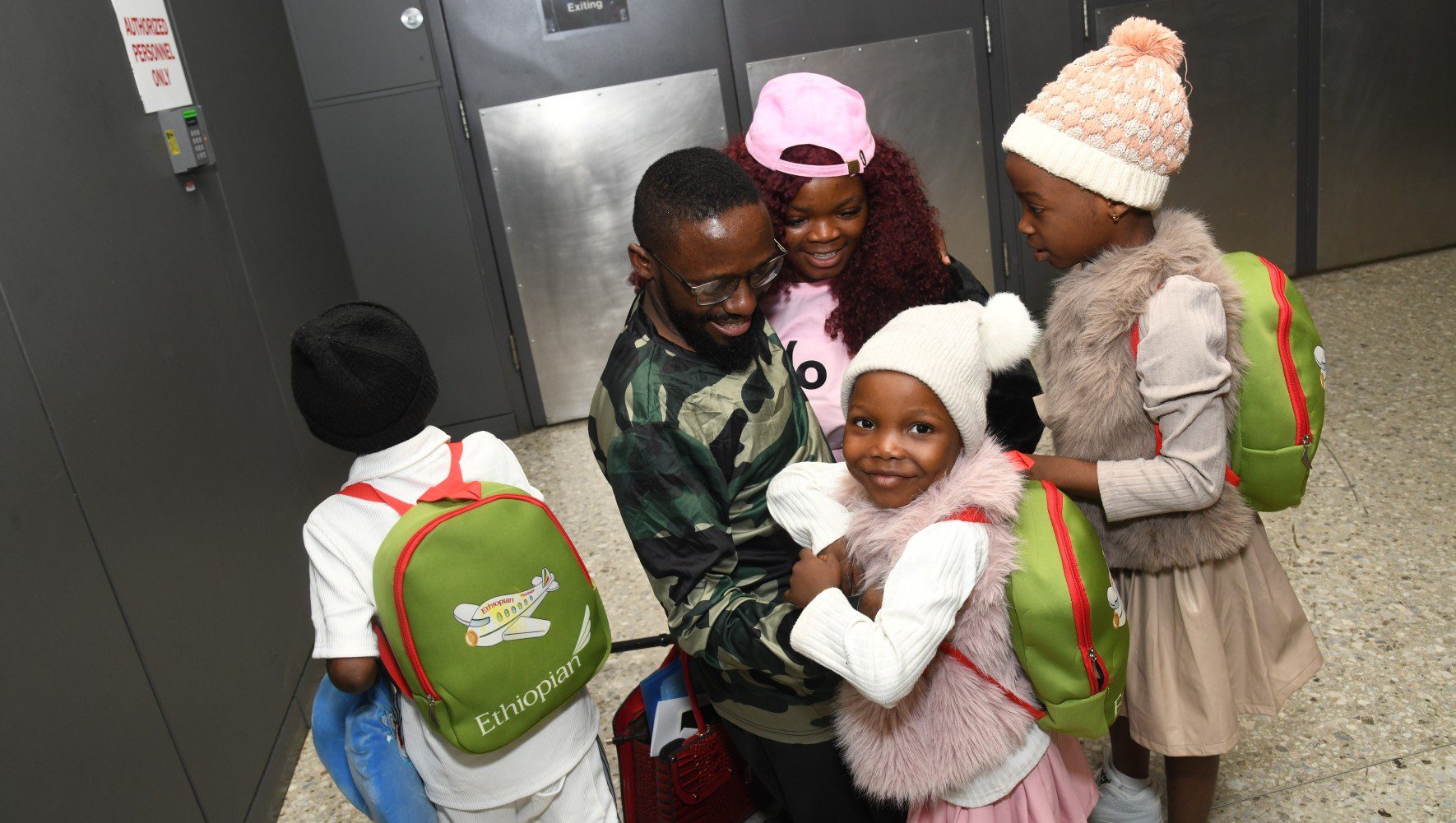
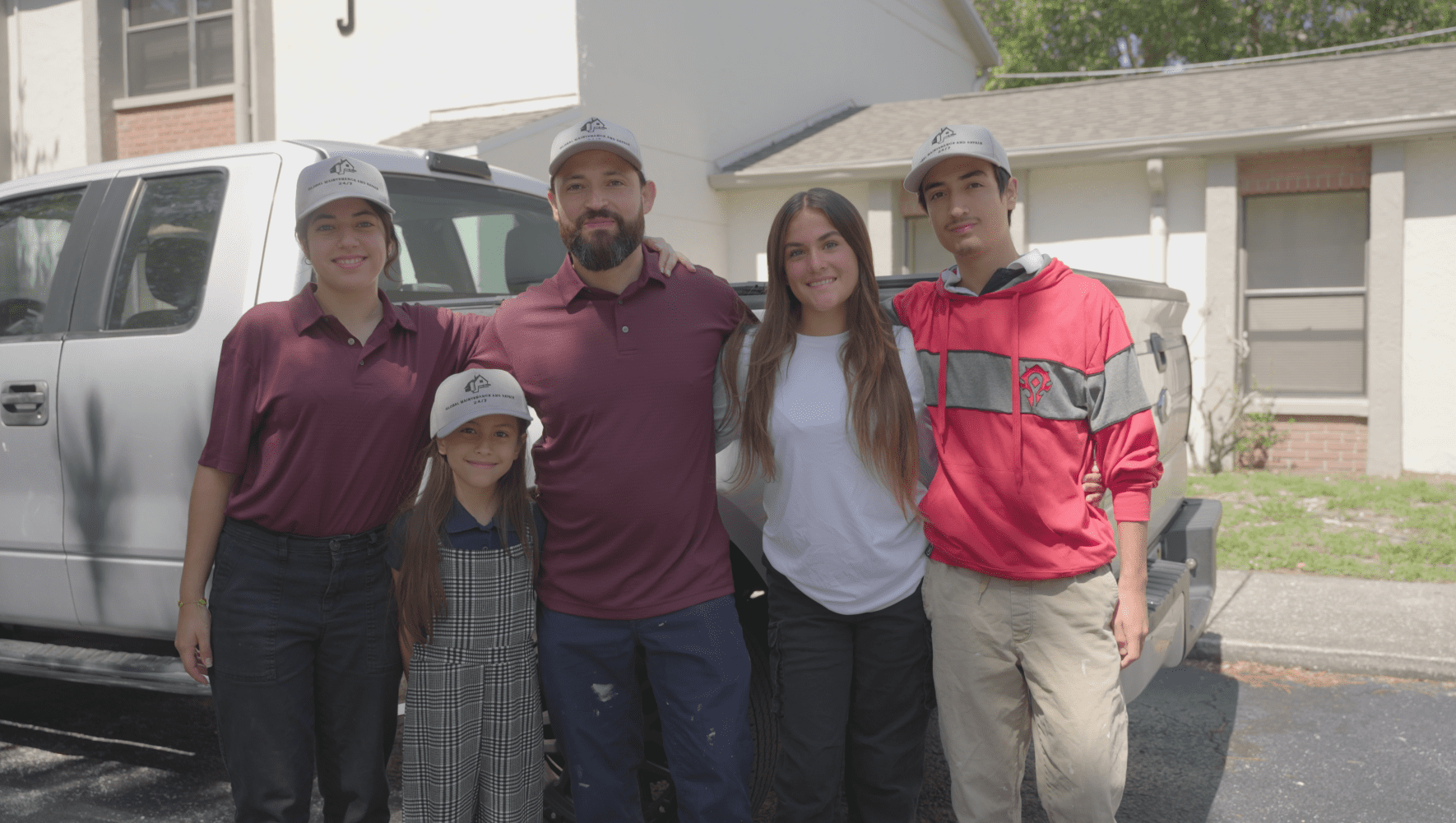
In early December, after years of separation and uncertainty, Fon was reunited with his wife and children in the U.S.
“Getting [my family] here clears all my pain. Facing immigration challenges while having HIAS support me is a shoulder I won’t forget,” Fon said.
Today, HIAS continues to support the family as they rebuild, navigating school enrollments, locating resources, and ensuring they can access the benefits that help families heal and move toward stability.
“There is a misconception that once someone reaches the U.S., they are safe. But safety is not just the absence of danger. It is housing. It is healthcare. It is legal protection. It is community. It is the ability to keep your family together,” Beyenech added.
And it is knowing that when the ground shifts beneath you, someone will still be there.
Donate today
Now more than ever, your support is needed to help refugees and displaced people rebuild their lives.