
Situated at the crossroads of Europe and the Middle East, Greece has long served as a vital passage for people on the move. Today, it is one of the primary entry points for refugees and displaced people. As of June 2025, Greece hosts more than 160,000 refugees, asylum seekers, and stateless people who are in search of safety.
Refugees and asylum seekers in Greece are granted legal protections under national and international law. However, in reality displaced people face significant barriers to meeting their basic needs and exercising their rights because current policies prioritize deterrence over protection.
Protracted displacement, limited access to services, and incidents of racism and discrimination often prevent refugees in Greece from fully integrating. Meanwhile, the new EU Pact on Migration and Asylum will likely further violate the right to seek asylum and penalize people fleeing violence and persecution.
Since 2016, HIAS Greece has provided critical services to refugees and asylum seekers. What exactly is the current landscape for refugees in Greece? Read more to find out.
Your support matters
Your donation will empower HIAS to provide life-saving humanitarian assistance to refugees and displaced people where and when it’s needed most.
How has the flow of displaced people changed over the last decade in Greece and where do refugees come from?
In 2015, more than one million people crossed into Europe, with 80% entering through Greece, mainly to escape the devastation of civil war in Syria. Today, Greece continues to receive thousands of refugees and asylum seekers every year, but the numbers are not nearly as close to the height of the crisis a decade ago. In 2024, 73,000 people requested asylum in Greece, and 71% were granted legal status.
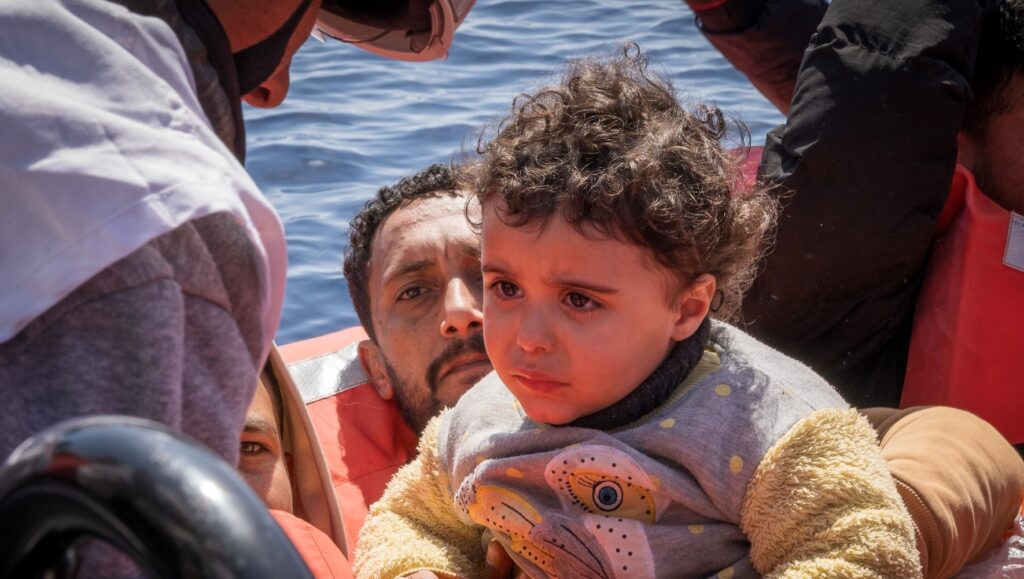
Many asylum seekers enter Greece through islands such as Crete, Lesbos, Samos, and Kos, after making dangerous sea crossings. Refugees and asylum seekers in Greece originate from countries facing war, instability, and human rights violations. The largest groups come from Afghanistan and Syria, with others arriving from Sudan, South Sudan, Egypt, Eritrea, and Somalia.
Greece hosts more than 160,000 refugees, asylum seekers, and stateless people who are in search of safety.
What rights do refugees and asylum seekers have in Greece and what barriers do they face?
Under international and European law, refugees in Greece are entitled to protection and a range of fundamental rights, such as education and healthcare, and right to work and to apply for family reunification. In theory, these rights should enable refugees to rebuild their lives in safety and dignity.
However, in practice, these rights often remain out of reach. Refugees face systemic obstacles that undermine their ability to exercise even the most basic protections. Overcrowded and dilapidated asylum camps restrict freedom of movement and create harsh living conditions. Bureaucratic delays in issuing documents block access to jobs, housing, and social services. Cuts to financial assistance and interpretation services leave families without food, healthcare, or legal support.
The result is a cycle of vulnerability: refugees face homelessness, exploitation, racism, and isolation while struggling to navigate a system that prioritizes deterrence over inclusion. Despite policies promising integration, implementation remains fragmented, and opportunities for employment are limited.
Perhaps most concerning is the Greek government’s frequent illegal pushbacks of asylum seekers at the border and the prosecution of refugees and humanitarian actors for smuggling or human trafficking. HIAS Greece has successfully represented several people falsely charged and continues to advocate against the alarming trend in dubious prosecution intended to chill humanitarian aid.
How does the new EU Pact on Migration and Asylum impact asylum seekers in Greece?
The EU Pact on Migration and Asylum introduces major changes to how EU member states process asylum claims, with significant implications for countries at the external border. Under the new Pact, Greece is one of four countries on Europe’s southern border that are recognized as needing greater resources for processing asylum seekers. However, under the Pact, increased resources will likely lead to greater detention and expedited removal of asylum seekers.
Some EU member states could also agree to accept more asylum seekers from Greece, easing the burden on southern border countries. However, considering the rampant xenophobia and racism directed towards refugees and asylum seekers, it is unlikely that many EU member states will agree to welcome more people seeking safety.
Perhaps most concerning, under the Pact many asylum seekers will be subjected to fast-tracked asylum and deportation procedures. Displaced people who travelled through so-called “safe countries” — such as Tunisia, Egypt, or Turkey — risk having their claims dismissed without any consideration of the persecution they may face individually. It’s likely many more displaced people will be denied asylum and returned to danger.
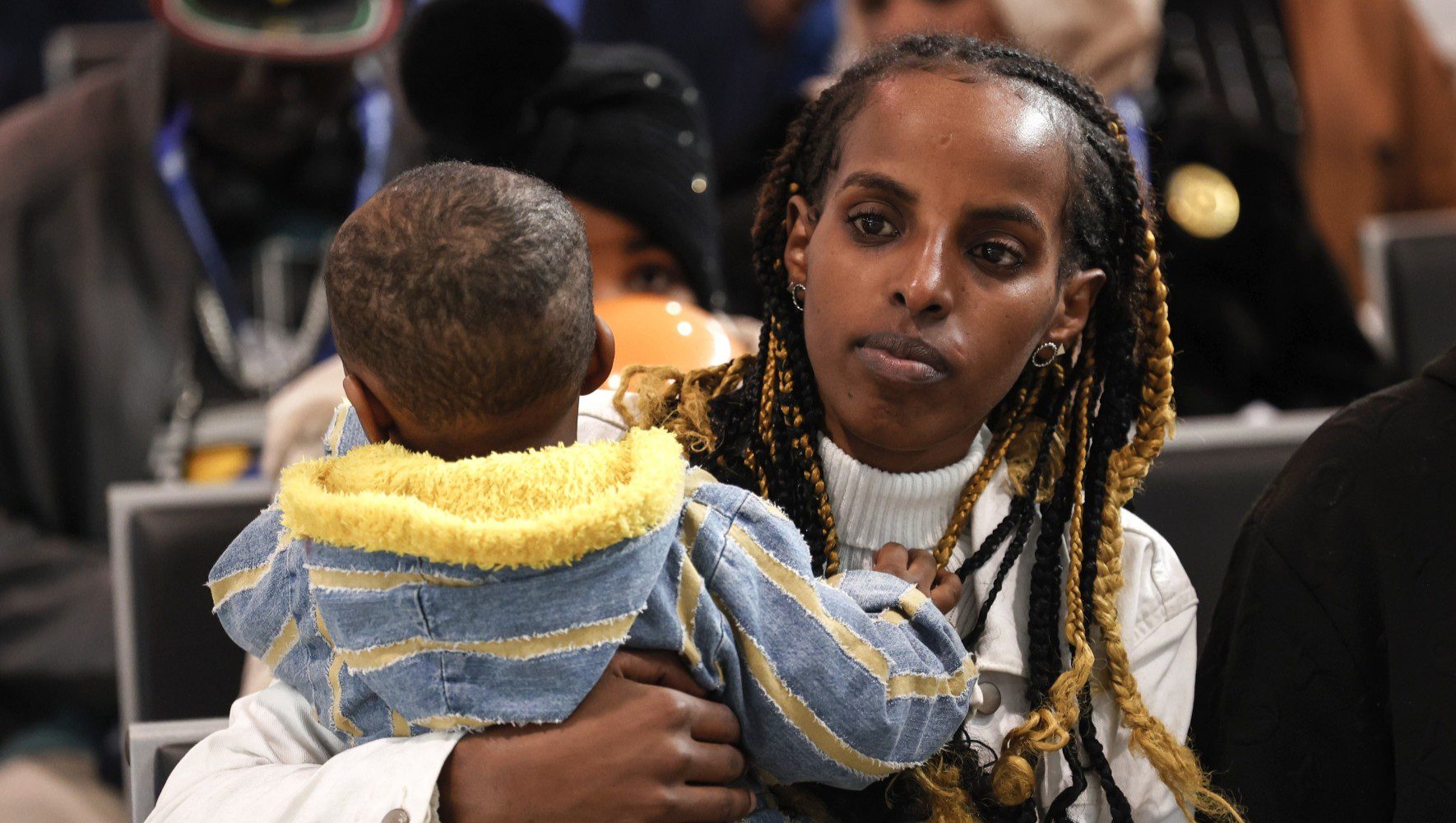
Deep Dive: The EU Pact on Migration and Asylum
Read MoreHow does HIAS support displaced people in Greece?
HIAS Greece works to protect refugees through legal support and representation, mental health care and psychosocial support including economic empowerment, and advocacy for the rights of all displaced people. Our programs focus on helping displaced people navigate the asylum process, access essential services, and rebuild their lives in Greece. Additionally, HIAS works to halt the shrinking of civic space in Greece, upholding the rule of law and protecting human rights defenders from criminalization.
In an environment where access to asylum is shrinking and human rights violations grow, HIAS Greece has remained at the forefront with legal aid provision, strategic litigation, and advocacy. We also prioritize the most vulnerable, including children and survivors of torture and violence. By partnering with local organizations, HIAS promotes community-based solutions that foster resilience and dignity. HIAS Greece plays a critical role in helping refugees take the first steps toward regaining control and stability.
Your support matters
Your donation will empower HIAS to provide life-saving humanitarian assistance to refugees and displaced people where and when it’s needed most.