

Welcoming the Stranger in 5787
As congregations and communities prepare for the High Holidays during a year that has fundamentally challenged an American commitment to welcome, HIAS has curated resources for your efforts to support refugees, asylum seekers, and immigrants for the holidays and beyond. Find the following High Holiday resources below:
- Liturgical resources for use in services including our new interpretive reading of Aleinu, in addition to resources from years past at the bottom of this page.
- Core features of the U.S. asylum system built in response to the global failure to protect Jews in the Holocaust are being newly dismantled. Mobilize your community to join our campaign for public comments that will be used in support of HIAS’ strategic litigation to maintain the integrity and fairness of the asylum process. Take action here.
Liturgical Readings and Textual Resources
An interpretational reading centering on the responsibility of being a force for good, not just for our own people but for the entire world.
The Aleinu prayer at the end of our services declares that the Jewish people have been set apart from other families of the world. This understanding of reality has been a source both of purpose and of trauma. Aleinu is visionary in the possibility it imagines for a people set apart – l’taken olam – to repair the world. It also has an element of fear for those who wish us harm. This interpretational reading asks us to wrestle with this heritage – to acknowledge the scars of difference without allowing them to consume us. It invites us to center our focus on the responsibility of being a force for good, not just for our own people but for the entire world.
Download AleinuThis resource is a compilation of the most common texts cited in support of refugees and immigrants with citations from biblical, rabbinic, and contemporary sources.
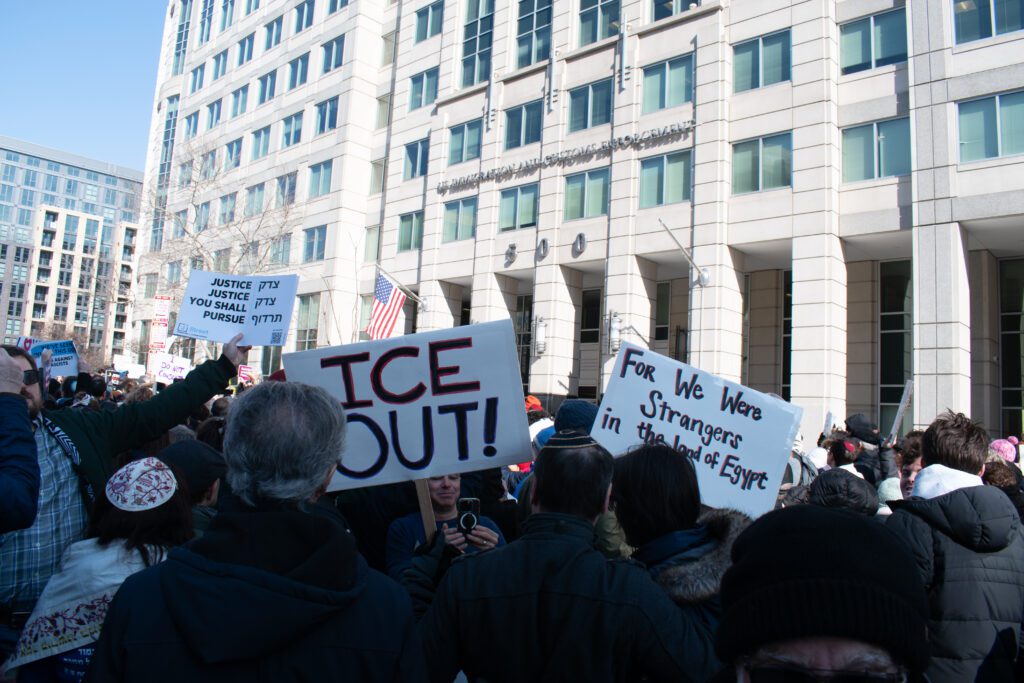
Together, we can help create a world in which refugees find welcome, safety, and opportunity.
Your gift will help us provide vital services to refugees and asylum seekers and advocate for their fundamental rights so they can rebuild their lives.